




The Benefits of Outsourcing Your Graphic Design to an Agency
Great design is essential to a successful brand, but producing it consistently is a challenge for most businesses. Hiring a full-time designer is expensive, and relying on amateur efforts rarely delivers professional results. This is why so many businesses discover the benefits of outsourcing their graphic design to an agency. Outsourcing gives you access to professional creative expertise, a full range of skills and reliable, high-quality output — all without the cost and commitment of building an in-house team.
This guide explores the key advantages of outsourcing graphic design, from expertise and cost savings to consistency and scalability. Whether you need occasional designs or a steady stream of creative work, understanding these benefits will help you decide whether an agency is the right choice.
Access to Professional Expertise
Design agencies employ skilled professionals with deep expertise across branding, layout, typography, illustration and more. Outsourcing gives you access to this talent and the strategic thinking behind it, producing work that is not only visually impressive but purposeful and aligned with your goals. This level of skill is difficult and expensive to replicate in-house, especially for smaller businesses.
Agencies also bring experience from working across many clients and industries, applying proven approaches and fresh ideas to your projects. You benefit from this accumulated knowledge without having to develop it yourself.
Significant Cost Savings
Hiring a full-time, in-house designer involves substantial costs — salary, benefits, training, software and equipment. Outsourcing converts these into a predictable project or retainer fee, often delivering far more value for the money. You pay for the design work you need, when you need it, without the overheads of a permanent hire.
Agencies also come equipped with premium design software and tools that would be costly to license individually. This gives you access to professional-grade capabilities as part of the service, further improving the value of outsourcing.
Consistency and Quality
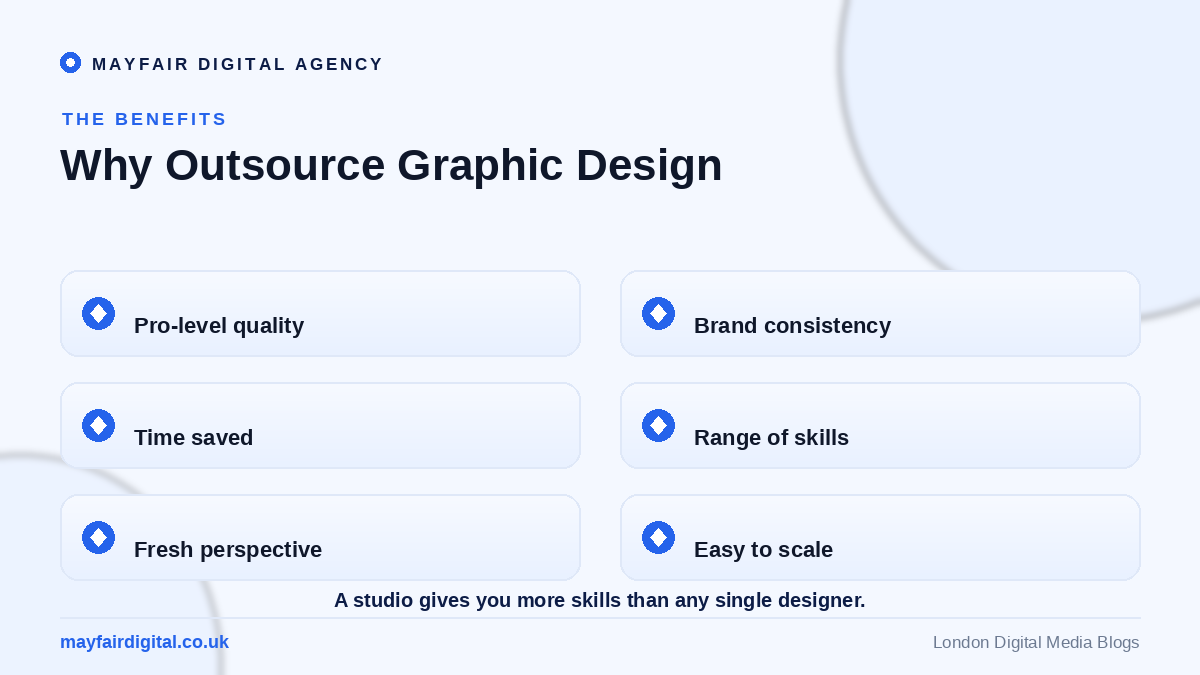
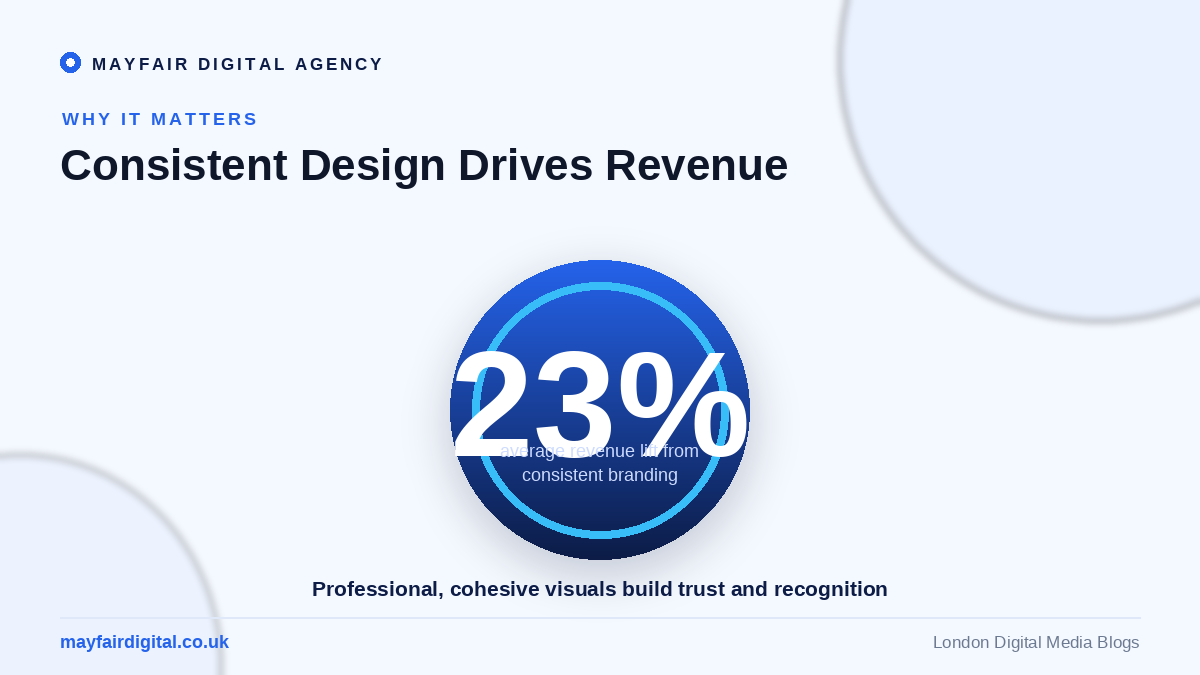
Maintaining a consistent visual identity across all your materials is vital for a strong brand, and an agency ensures this consistency. By working to clear brand guidelines and bringing professional standards to every project, an agency keeps your designs cohesive and high-quality across everything from your website to your social media and print materials.
This consistency builds recognition and trust over time, reinforcing your brand at every touchpoint. A professional agency ensures your business always looks polished and credible, which directly influences how customers perceive you.
Save Time and Focus on Your Business
Design is time-consuming, and attempting it yourself pulls you away from running your business. Outsourcing frees you and your team to focus on your core strengths while experts handle the creative work. This not only improves the quality of your design but also gives you back valuable time and removes the stress of trying to do it all yourself.
Scalability and Flexibility
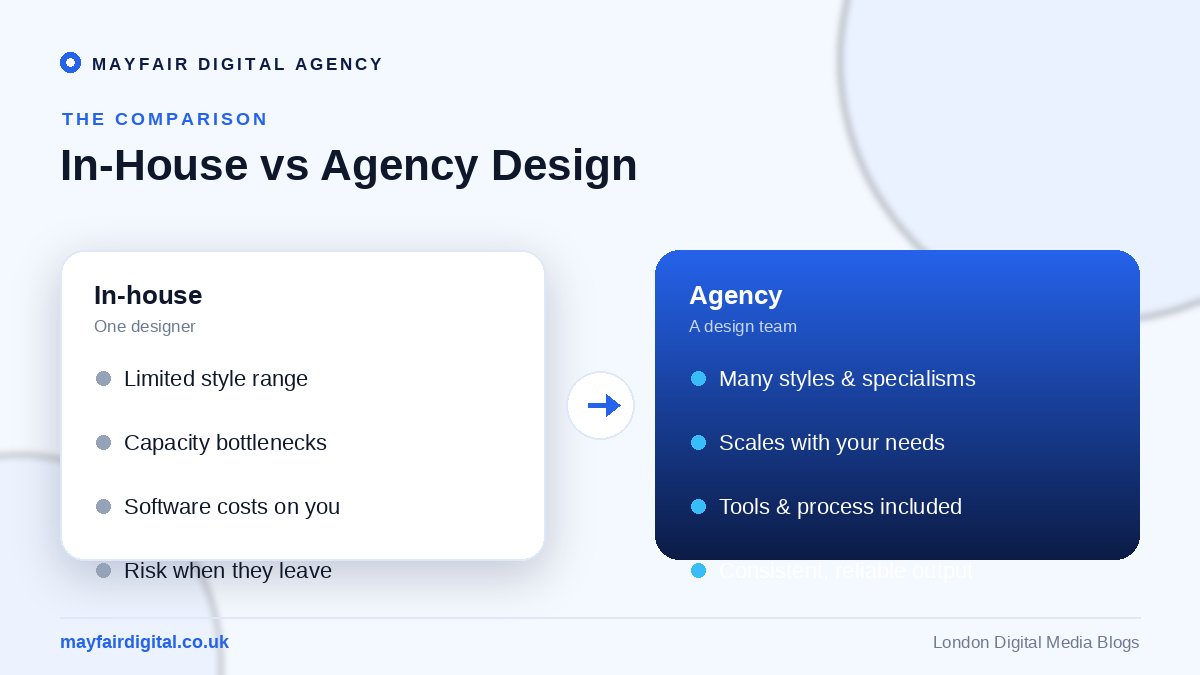
Design needs fluctuate, and an agency can scale its output to match. Whether you need a single project, a brand overhaul or ongoing creative support, an agency flexes to suit your requirements. This adaptability means you always have the design capacity you need without the difficulty of hiring or the waste of paying for idle in-house resources.
Frequently Asked Questions
Is outsourcing graphic design cheaper than hiring in-house? Usually, yes. For many businesses, outsourcing delivers professional design at a lower overall cost than employing a full-time designer, with added flexibility.
Will the agency understand my brand? A good agency takes time to learn your brand and works to clear guidelines, ensuring designs are consistent and aligned with your identity and goals.
What if I only need occasional design work? Outsourcing is ideal for this. You can commission projects as needed without the commitment of a permanent hire, paying only for the work you require.
Elevate Your Design With Mayfair
Outsourcing your graphic design gives you professional expertise, cost savings, consistency and flexibility, all while freeing your time to focus on your business. As a full-service digital media agency, Mayfair Digital Agency delivers high-quality, on-brand design that elevates your business and supports your goals. If you want design that makes a lasting impression, get in touch and let’s create something remarkable.
A Fresh, Objective Creative Perspective
One often-overlooked benefit of outsourcing graphic design is the fresh perspective an agency brings. Internal teams can become so familiar with a brand that they struggle to see it as customers do, leading to designs that feel stale or insular. An external agency views your business with fresh eyes, spotting opportunities and bringing creative ideas that an in-house team might miss. This objectivity, combined with experience across many clients and industries, often produces more innovative and effective design than working in isolation.
This outside viewpoint is particularly valuable for rebrands, new campaigns or entering new markets, where a fresh creative approach can make all the difference. An agency challenges assumptions and pushes your visual identity forward rather than simply repeating what has always been done.
Faster Turnaround and Reliable Delivery
Agencies are built to deliver, with established processes, dedicated teams and the capacity to handle projects efficiently. This means faster turnaround than a stretched in-house resource juggling multiple responsibilities, and reliable delivery even when demands spike. When you need quality design produced quickly and dependably, an agency’s structure and experience are a significant advantage.
This reliability is especially valuable during busy periods, product launches or seasonal campaigns, when design needs surge. Rather than overwhelming a single in-house designer, you can lean on an agency’s capacity to meet deadlines without compromising quality.
Access to a Full Range of Creative Services
Graphic design rarely exists in isolation; it connects to branding, web design, marketing and content. A full-service agency can provide all of these under one roof, ensuring your design integrates seamlessly with your wider marketing. This joined-up approach means your visual identity works consistently across every channel, and you have a single partner who understands your brand holistically rather than several disconnected suppliers.
Choosing a partner with this breadth also makes it easy to expand the relationship as your needs grow. Whether you later need a new website, a marketing campaign or social media content, the same team can deliver it, all aligned to the design foundation they have already built for you.
Choosing the Right Design Partner
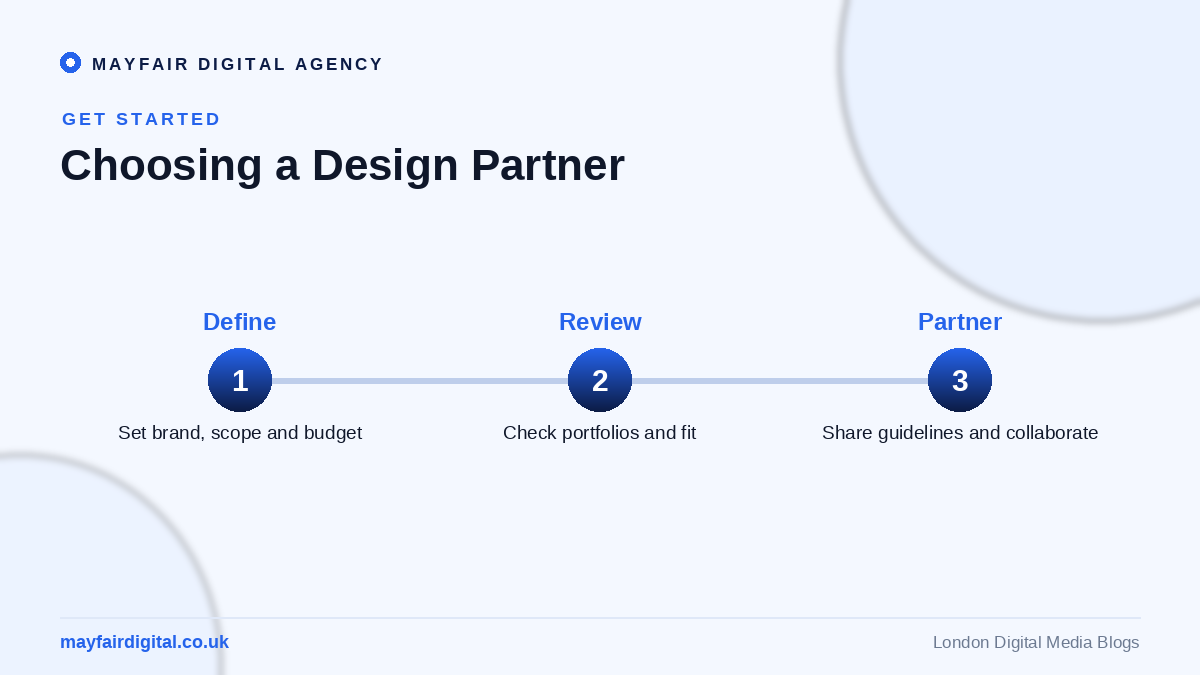
To get the most from outsourcing, choose your agency carefully. Look for a strong, relevant portfolio, evidence of strategic thinking, clear communication and positive client reviews. The best partners take time to understand your brand and goals, work to clear guidelines, and treat your success as their own. Taking the time to find the right fit ensures a smooth, productive relationship and consistently excellent work.
It also helps to start with a clear brief and open conversation about your expectations, timelines and budget. When both sides are aligned from the outset, the partnership runs smoothly and the design output consistently hits the mark.
A Smart Investment in Your Brand
Viewed in the round, outsourcing your graphic design is an investment in the strength and professionalism of your brand. You gain expert talent, premium tools, fresh ideas, consistency and reliable delivery, all while saving time and money and avoiding the commitment of a permanent hire. For most businesses, this combination delivers far better results than struggling with design in-house or settling for amateur work.
As your business grows and your design needs evolve, a trusted agency partner grows with you, ensuring your brand always looks its best. By outsourcing to the right team, you free yourself to focus on what you do best, confident that your visual identity is in expert, capable hands.
Ultimately, design is one of the most visible expressions of your brand, shaping how customers perceive your professionalism, quality and trustworthiness. Outsourcing it to a capable agency ensures that impression is always a strong one. Rather than viewing design as an occasional cost, treat it as an ongoing investment in how the world sees your business — and partner with an agency that can deliver the consistent, high-quality creative work that sets you apart from the competition.
Need expert help? Mayfair Digital Agency is a digital agency in London and full-service digital agency in London offering graphic design agency in London and more. Get in touch for a free consultation.


