


The Benefits of Influencer Marketing for Your Business
Word of mouth has always been the most persuasive form of marketing, and influencer marketing is its modern, scalable form. By partnering with people who have built trusted audiences, businesses can borrow that trust to reach customers in a way that feels authentic rather than intrusive. Done well, influencer marketing introduces your brand to engaged, relevant communities through a voice they already believe in — and that combination of reach and credibility is something traditional advertising struggles to match.
This guide explores the real benefits of influencer marketing for your business, why it works so effectively, and how to approach it strategically. Whether you are considering major creators or smaller niche voices, understanding the advantages will help you decide how influencer marketing fits into your wider strategy.
Trust and Authentic Recommendations
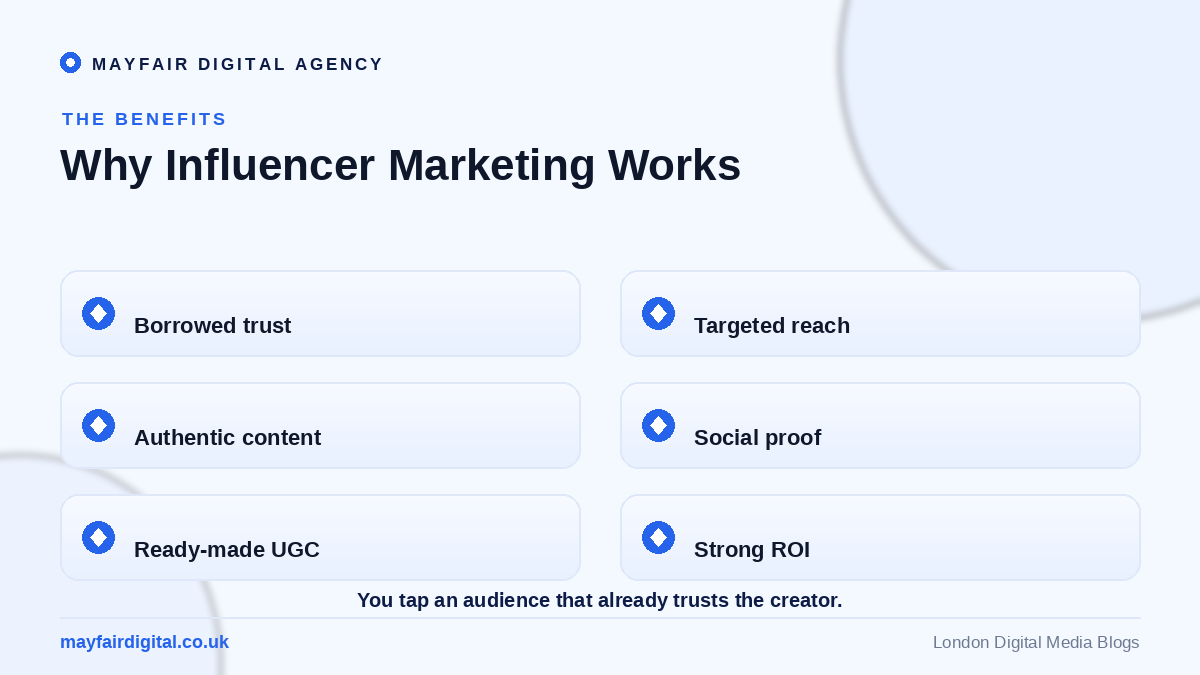
The core power of influencer marketing is trust. Audiences follow influencers because they value their opinions, so a recommendation feels like advice from a knowledgeable friend rather than an advert. This authenticity lowers the natural scepticism people feel toward brands and makes them far more receptive to your message. When an influencer genuinely endorses your product, their audience is primed to listen and act.
This trust transfers to your brand by association. Being recommended by someone an audience respects lends you instant credibility that would take far longer to build alone. For newer or lesser-known businesses in particular, that borrowed trust can dramatically accelerate awareness and acceptance.
Targeted Reach to Relevant Audiences
Influencers have done the work of gathering specific communities around particular interests, which makes them an efficient route to your ideal customer. Rather than broadcasting to a general audience and hoping, you can partner with creators whose followers closely match your target market. This precision means your message reaches people genuinely likely to care about what you offer, improving both engagement and return.
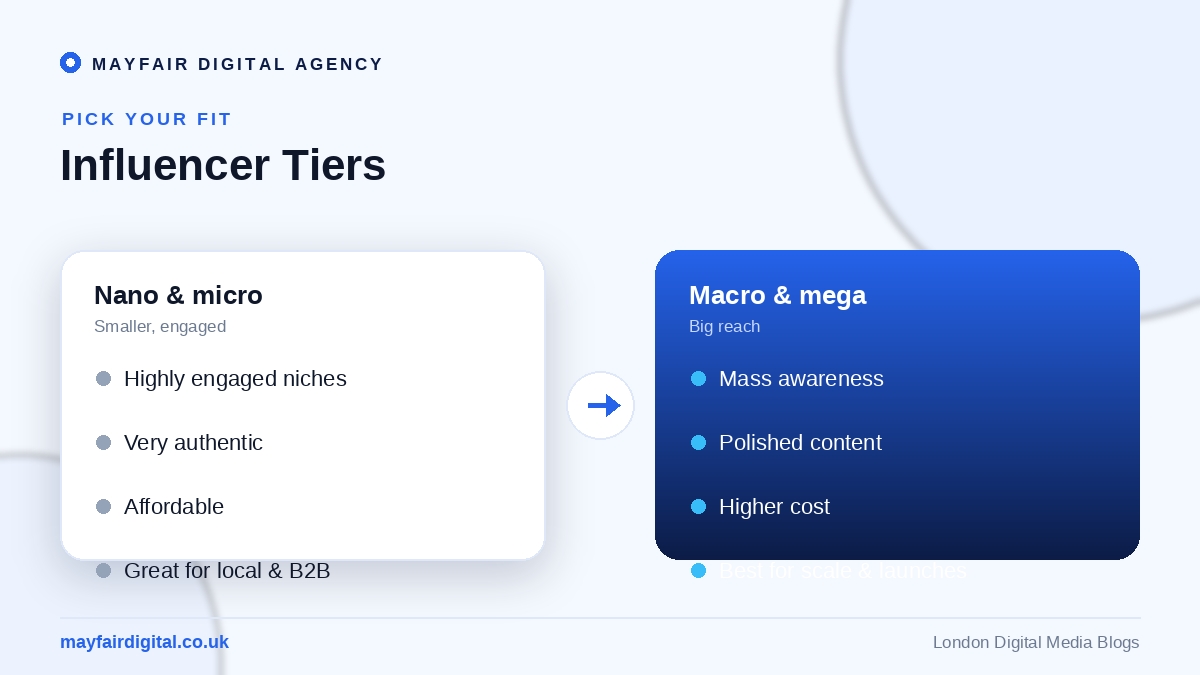
This is where niche, smaller influencers often shine. Their audiences may be modest in size but are typically highly engaged and tightly focused, delivering strong results at a lower cost than major celebrities. Matching the influencer to your audience matters far more than chasing the biggest follower count.
Engaging, High-Quality Content
Influencers are skilled content creators who know how to capture attention and present products appealingly to their audience. Partnering with them produces authentic, creative content that often outperforms polished brand advertising. This content can also be repurposed across your own channels, giving you a valuable library of genuine, relatable material that showcases your product in real-world contexts.
Boosting Awareness and Sales
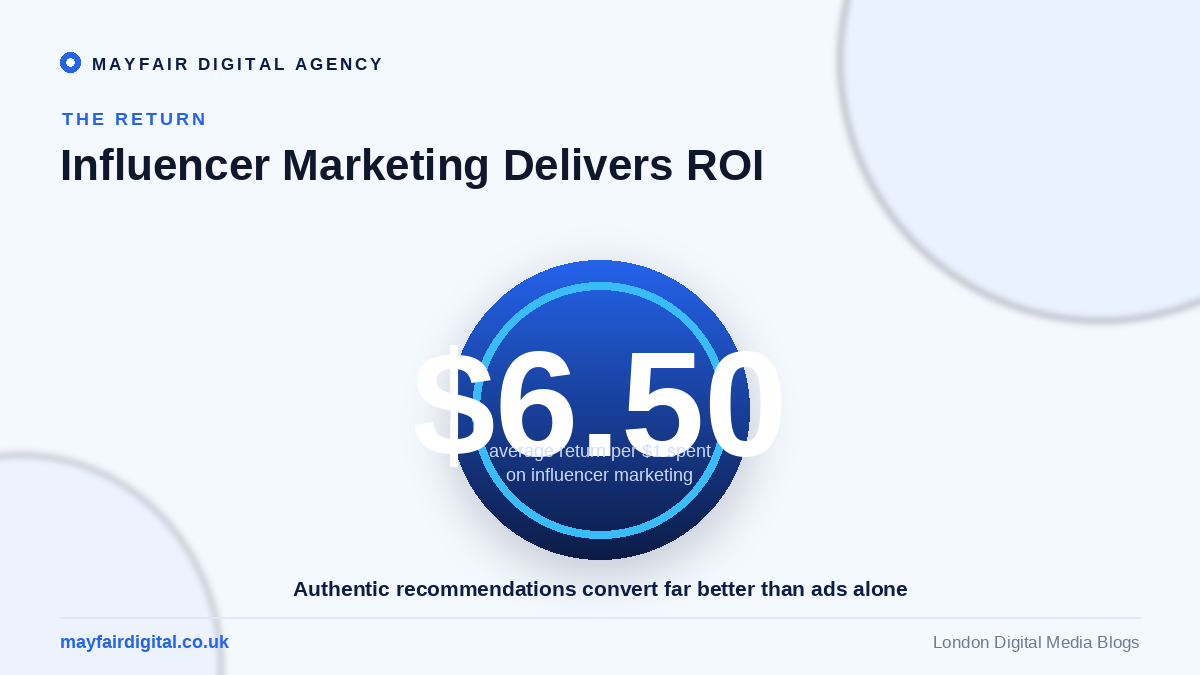
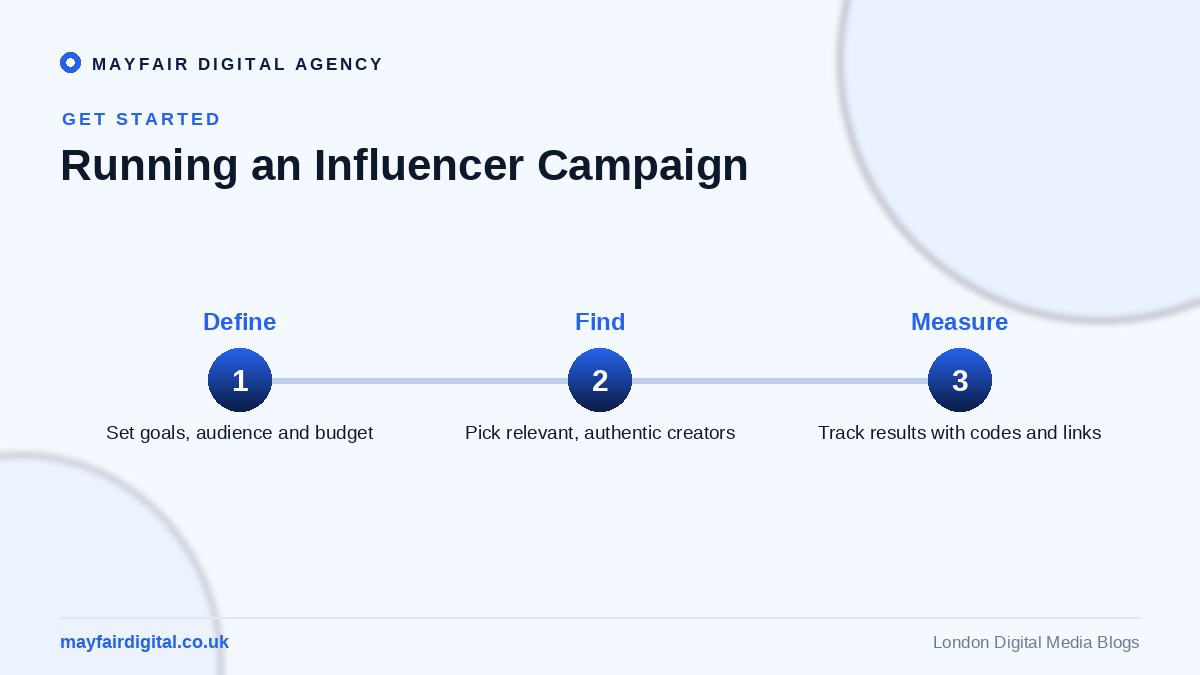
Influencer marketing works across the funnel. At the top, it raises awareness by putting your brand in front of new, relevant audiences. Further down, trusted recommendations and clear calls to action drive traffic, leads and sales. Many campaigns use unique codes or links so the impact can be tracked directly, demonstrating a tangible return on the investment.
The effects can also extend beyond the campaign itself. A strong influencer partnership can spark wider conversation, attract new followers to your own channels and generate user content as audiences try and share your product, creating momentum that outlasts the initial collaboration.
Frequently Asked Questions
Do I need a big budget for influencer marketing? No. Smaller, niche influencers often deliver excellent engagement at modest cost, making influencer marketing accessible to businesses of all sizes.
How do I measure influencer marketing results? Use unique discount codes, trackable links and engagement metrics to connect campaigns to traffic, leads and sales, so you can see the genuine return on your spend.
How do I choose the right influencer? Prioritise relevance and engagement over follower count. The best partner is one whose audience closely matches your target market and who shares your brand’s values.
Harness Influencer Marketing With Mayfair
Influencer marketing turns trusted voices into powerful advocates for your brand, delivering authentic reach, engaging content and measurable results. As a full-service digital media agency, Mayfair Digital Agency helps businesses identify the right creators, craft effective campaigns and measure their impact. If you want to put the power of trusted recommendation to work, get in touch and let’s plan a campaign that delivers.
Types of Influencers and How to Choose
Influencers come in different sizes, each with distinct advantages. Mega and celebrity influencers offer huge reach but at high cost and with less personal connection. Macro influencers balance broad reach with reasonable engagement, while micro and nano influencers — those with smaller, tightly knit followings — often deliver the strongest engagement and the most authentic recommendations at a fraction of the price. For many businesses, partnering with several micro influencers produces better results and more trust than a single expensive celebrity post, because their audiences feel a closer, more genuine relationship with them.
Choosing well means looking past follower counts to relevance, engagement and values. The ideal partner speaks to an audience that closely matches your ideal customer, maintains genuine interaction with their followers, and aligns naturally with what your brand stands for. A mismatched partnership feels forced and can do more harm than good, so it is worth taking time to research candidates and review how their audiences respond to previous brand collaborations.
Building Long-Term Influencer Partnerships
While one-off posts can deliver a spike of attention, the most powerful influencer marketing comes from ongoing relationships. When a creator features your brand repeatedly over time, their audience perceives the endorsement as genuine rather than a paid one-off, and trust deepens with each mention. Long-term partnerships also let influencers learn your brand properly and represent it more authentically. Treating creators as genuine partners — collaborating on ideas rather than dictating scripts — tends to produce more natural content and far better results than transactional, one-time deals.
Avoiding Common Influencer Marketing Mistakes
Influencer campaigns falter when brands chase vanity metrics, control the creative too tightly, or partner with the wrong people. Insisting on overly scripted, promotional content strips away the authenticity that makes influencer marketing work in the first place. Failing to disclose partnerships properly can also damage trust and breach advertising rules. The brands that succeed give creators room to be themselves, choose partners carefully, set clear but flexible expectations, and measure genuine outcomes rather than surface-level numbers.
It also pays to integrate influencer activity with the rest of your marketing. Directing the audience to a well-prepared landing page, following up with retargeting, and amplifying the best influencer content across your own channels all help convert borrowed attention into lasting customers. Influencer marketing works best as part of a joined-up strategy rather than an isolated experiment.
A Powerful Tool When Used Strategically
Used thoughtfully, influencer marketing offers a rare combination of reach, relevance and trust that few other channels can match. By choosing the right partners, building genuine relationships and measuring real results, businesses of any size can tap into engaged communities and turn trusted recommendations into meaningful growth. As audiences grow ever more sceptical of traditional advertising, the authentic voice of a trusted creator will only become more valuable.
The key is to approach it strategically rather than chasing trends. Define your goals, match them to the right influencers, give those creators the freedom to connect authentically with their audience, and track the outcomes that matter to your business. Do that, and influencer marketing becomes a dependable, scalable way to win attention and trust in a crowded market.
It is also worth remembering that influencer marketing compounds over time. Each authentic collaboration not only drives immediate awareness and sales but also leaves behind content, social proof and new followers that continue to benefit your brand long afterward. As your network of creator relationships grows, so does your reach and credibility, creating a flywheel where each successful partnership makes the next one easier and more effective. For businesses willing to invest in genuine relationships and measure their results carefully, influencer marketing is far more than a passing trend — it is a durable, increasingly essential pillar of modern digital strategy.
Need expert help? Mayfair Digital Agency is a digital agency in London and full-service digital agency in London offering social media agency in London and more. Get in touch for a free consultation.