


The Importance of Good Design in Your Marketing Strategy
First impressions happen fast, and in marketing they happen visually. Before a customer reads a word of your copy or considers your offer, they have already judged your brand on how it looks. That is why good design is not decoration sitting on top of your marketing strategy — it is a core part of it. Strong design builds trust, communicates value instantly and makes every other marketing effort work harder, while weak design quietly undermines even the best products and messages.
This article explains why design deserves a central place in your marketing strategy, how it influences customer perception and behaviour, and the principles that separate effective design from merely attractive design. Whether you are refreshing a brand or building one from scratch, understanding the role of design will help you make smarter, more profitable decisions.
Design Shapes First Impressions and Trust
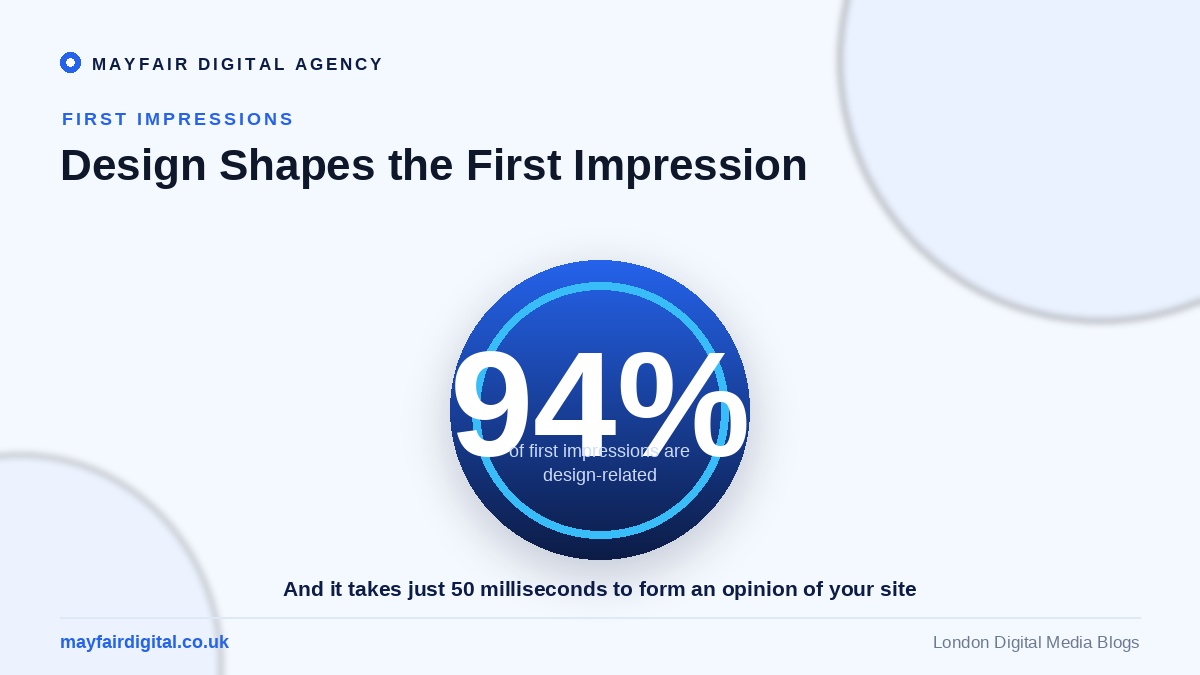
Studies consistently show that people form an opinion about a website or brand within milliseconds, and that opinion is driven almost entirely by visual design. A clean, professional and cohesive look signals that a business is credible, established and trustworthy. A cluttered, dated or inconsistent appearance does the opposite, planting doubt before a customer has even engaged with what you offer. In a competitive market, that split-second judgement can decide whether someone stays or leaves.
Trust, once established visually, makes everything else easier. Customers are more willing to share their details, make a purchase or recommend a brand that looks dependable. Good design therefore acts as a silent salesperson, reassuring prospects and lowering the resistance that stands between interest and action.
Design Communicates Your Brand Instantly
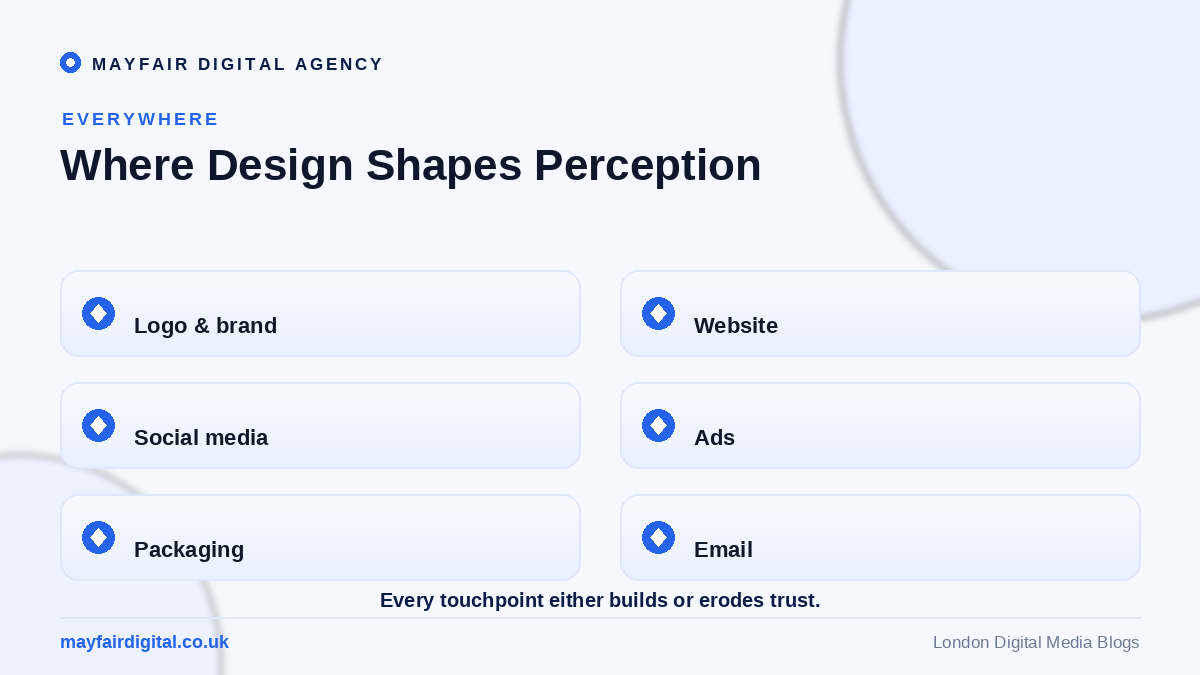
Every colour, font, image and layout choice sends a message about who you are. A luxury brand and a budget retailer use design to communicate entirely different promises, often without a single word. Consistent, intentional design across your website, social media, packaging and advertising builds a recognisable identity that customers come to associate with your values and quality. This consistency is what turns a collection of marketing materials into a coherent brand.
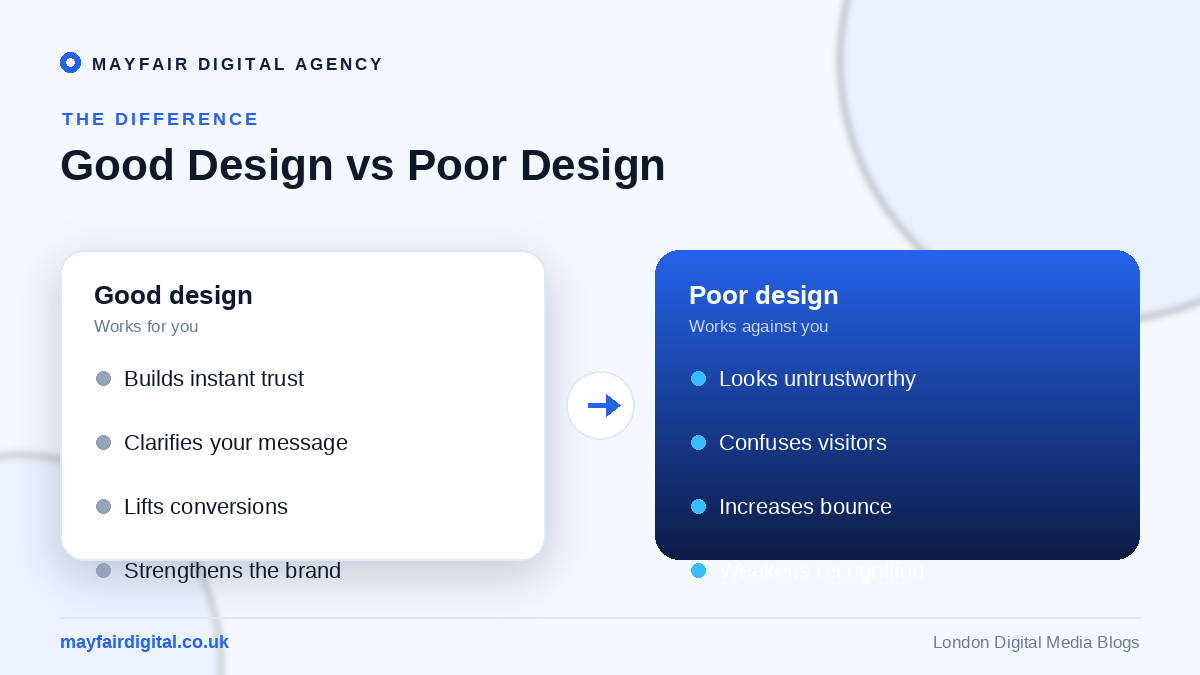
When design is aligned with your positioning, it amplifies your message. When it is misaligned — a serious service with playful, amateurish visuals, for example — it creates confusion that erodes confidence. Good design ensures your appearance and your promise tell the same story.
Design Drives Engagement and Conversions
Beyond looking good, design guides behaviour. Thoughtful use of layout, hierarchy, colour and white space directs attention to what matters most, whether that is a key message, a product or a call to action. A well-designed page makes it obvious what to do next, reducing friction and lifting conversion rates. This is where design and marketing strategy meet most directly: design is the mechanism that turns attention into action.
Small design decisions can have outsized commercial effects. The colour and placement of a button, the clarity of a form, the prominence of social proof — each can measurably change how many visitors become customers. Treating design as a conversion tool, not just an aesthetic one, unlocks real value.
Design Improves Communication and Clarity
Good design makes information easier to understand. Visual elements like infographics, icons and clear typography help audiences grasp complex ideas quickly, which is invaluable in a world of short attention spans. When your message is presented clearly and attractively, more people absorb it, remember it and act on it. Design, in this sense, is not the opposite of substance — it is what makes substance accessible.
Consistency Builds Recognition Over Time
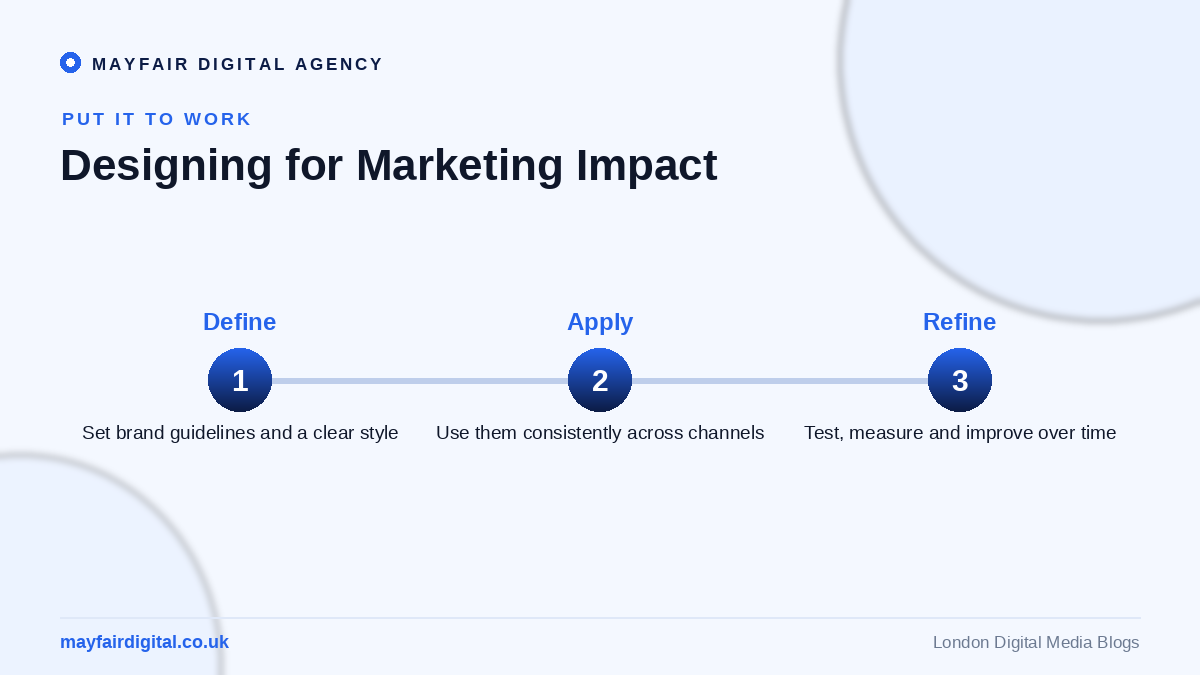
One of design’s most underrated benefits is the compounding power of consistency. When every touchpoint shares the same colours, style and tone, each interaction reinforces the last, gradually building familiarity and recognition. Over months and years this consistency becomes a genuine asset, making your brand instantly identifiable and harder for competitors to displace. A documented set of brand guidelines is the simplest way to protect and sustain this advantage.
Frequently Asked Questions
Is good design really worth the investment? Yes. Design directly affects trust, engagement and conversions, so it pays for itself by making every other marketing effort more effective and credible.
What makes design “good” in marketing? Good marketing design is clear, consistent, on-brand and purposeful — it guides the viewer’s attention and supports a specific goal, rather than simply looking attractive.
Do small businesses need professional design? Absolutely. Professional design helps smaller businesses appear credible and compete with larger rivals, often making the difference in a customer’s decision to trust them.
Make Design Work for Your Brand With Mayfair
Good design is one of the most powerful and underused levers in marketing, shaping perception, building trust and turning attention into action. As a full-service digital media agency, Mayfair Digital Agency combines striking design with sharp strategy so your brand looks the part and performs where it counts. If you want design that does more than decorate, get in touch and let’s strengthen your marketing together.
Getting Started With design-led marketing
Putting all of this into practice does not have to feel overwhelming. The most effective approach to design-led marketing is to begin with a clear goal, get the fundamentals right first, and then improve steadily based on real results rather than guesswork. Small, consistent steps compound into significant gains over time, and a deliberate, well-documented plan will always outperform sporadic bursts of unfocused effort that fade as quickly as they begin.
It also pays to review your progress regularly. By tracking the metrics that genuinely matter to your business and adjusting course whenever the data points a clearer way, you keep design-led marketing working as a reliable engine for growth rather than a box-ticking exercise. The businesses that win are the ones that treat this as an ongoing discipline, building on what works and quietly retiring what does not, month after month.
Patience and consistency are the quiet superpowers here. Results rarely arrive overnight, but the compounding effect of doing the right things repeatedly is enormous. A brand that shows up consistently, learns from its numbers and refines its approach will, over time, pull comfortably ahead of competitors who chase quick wins and abandon each tactic before it has a chance to work.
It is worth remembering that design-led marketing does not exist in isolation. It works best as part of a joined-up strategy where every channel supports the others, reinforcing the same message and guiding people smoothly from first discovery through to becoming a loyal, repeat customer. When the pieces connect, the whole becomes far greater than the sum of its parts.
Avoid the common temptation to constantly reinvent the wheel. Brands that change direction too often confuse their audience and dilute their results. A steadier hand — clear positioning, a consistent voice and a long-term plan — builds the recognition and trust that turn casual attention into genuine commercial value.
And if you would rather concentrate on running your business while specialists handle the detail, that is exactly where an experienced partner earns its keep. As a full-service digital media agency, Mayfair Digital Agency helps businesses turn design-led marketing into real, measurable results — combining strategy, creativity and data so every effort pulls toward growth. Get in touch and let’s build something that lasts.
Getting Started With design-led marketing
Putting all of this into practice does not have to feel overwhelming. The most effective approach to design-led marketing is to begin with a clear goal, get the fundamentals right first, and then improve steadily based on real results rather than guesswork. Small, consistent steps compound into significant gains over time.
It also pays to review your progress regularly. By tracking the metrics that genuinely matter and adjusting course whenever the data points a clearer way, you keep design-led marketing working as a reliable engine for growth rather than a box-ticking exercise.
Need expert help? Mayfair Digital Agency is a London digital agency and full-service digital agency in London offering graphic design agency in London and more. Get in touch for a free consultation.