




The Importance of Local SEO for Small Businesses
For a small business serving a local area, few marketing investments deliver as much value as local SEO. When someone nearby searches for the products or services you offer, appearing at the top of those results puts you directly in front of customers who are ready to buy, often within hours. Unlike broad national campaigns, local SEO focuses your effort precisely where it counts — on the people in your community who can actually walk through your door, call your number or place an order today. For many small businesses, getting this right is the single most cost-effective way to grow.
This guide explains what local SEO is, why it matters so much for small businesses, and the practical steps that help you climb the local rankings. None of it requires a huge budget; it requires consistency, accuracy and an understanding of what local searchers and search engines are looking for.
What Local SEO Actually Is
Local SEO is the practice of optimising your online presence so that your business appears prominently when people search for relevant terms in your area. It covers the results that include a map and a list of nearby businesses, as well as the organic listings beneath them. Searches like “plumber near me”, “best coffee shop in town” or “accountant in” a specific city all trigger local results, and local SEO is how you earn a place among them. Because these searches carry such strong intent, the traffic they produce tends to convert far better than almost any other channel.
Why Local SEO Matters for Small Businesses
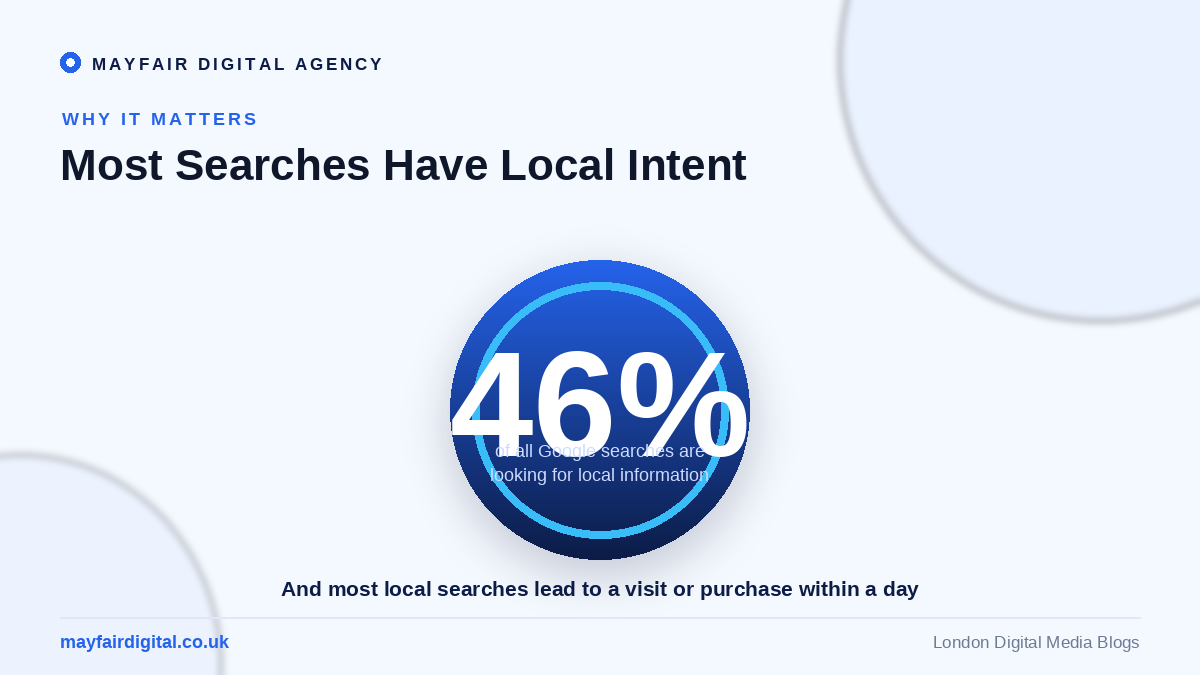
The behaviour of modern customers makes local SEO essential. A large share of local searches lead to a visit or a purchase within a day, and most people never look beyond the first few results. If your business is not visible at that crucial moment, a competitor captures the customer instead. For small businesses competing against larger chains, local SEO is a great equaliser: a well-optimised independent shop can outrank national brands within its own community, winning customers on relevance and proximity rather than marketing spend.
There is also a compounding benefit. The reviews, accurate listings and local content that drive rankings also build trust with potential customers. Over time, a strong local presence becomes a reputation, and that reputation feeds referrals, repeat business and word of mouth that no advertising budget can simply buy.
Optimise Your Google Business Profile
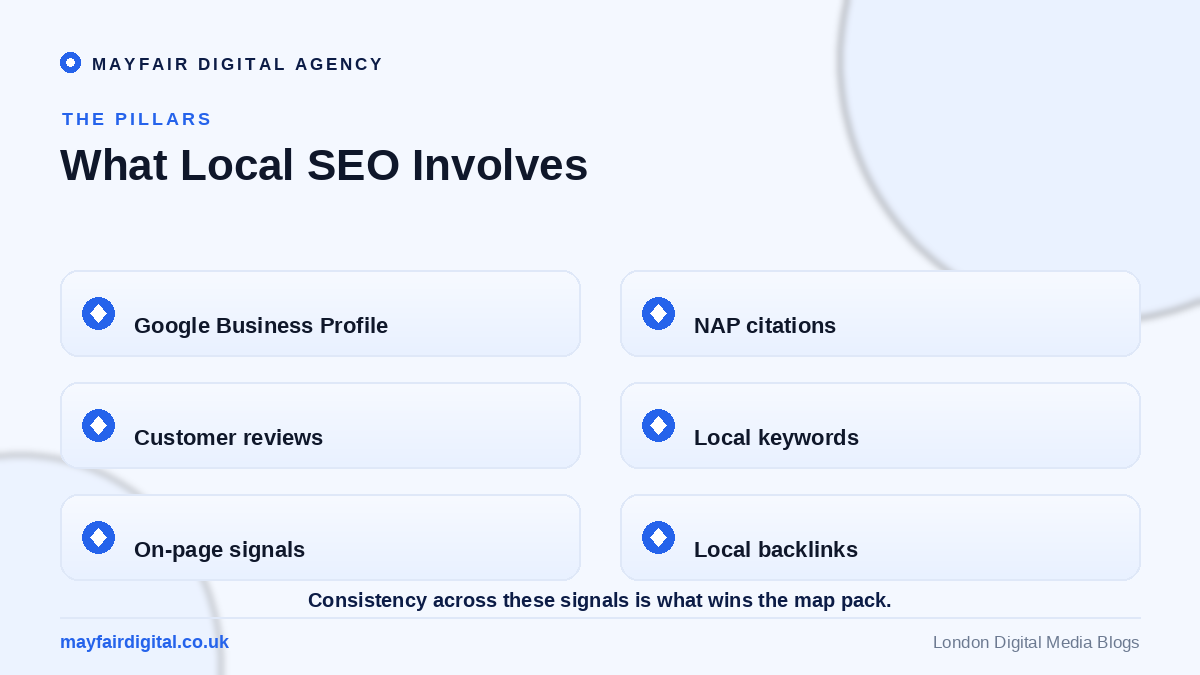
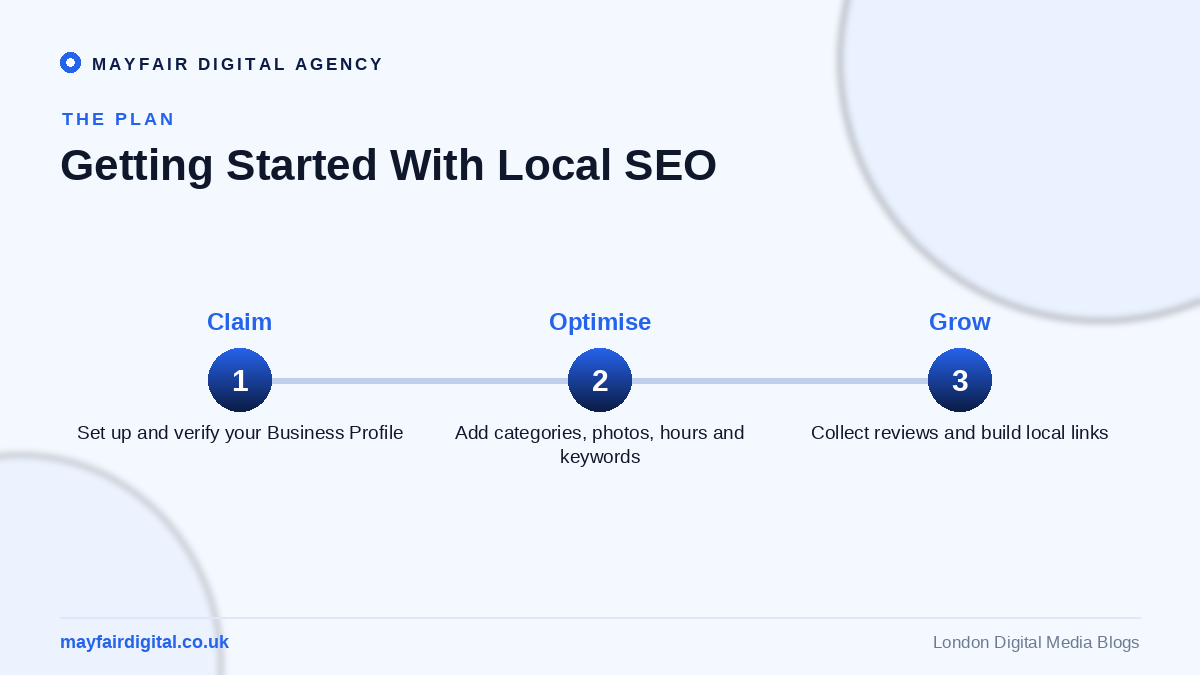
The foundation of local SEO is a complete, accurate and active Google Business Profile. This free listing is what powers your appearance in the map results, so it deserves real attention. Ensure your business name, address, phone number, website, opening hours and categories are all correct and consistent, and fill out every available field. Add high-quality photos, keep your information up to date, and post regular updates. A rich, well-maintained profile signals to both customers and search engines that your business is genuine, established and worth recommending.
Earn and Manage Reviews
Customer reviews are among the strongest local ranking factors, and they heavily influence whether someone chooses you. Actively encourage satisfied customers to leave reviews, make it easy by sharing a direct link, and respond to every review — positive or negative — politely and promptly. A steady stream of recent, genuine reviews tells search engines your business is active and trusted, while thoughtful responses show prospective customers that you care about their experience.
Keep Your Business Details Consistent Everywhere
Search engines cross-reference your business information across the web, so consistency matters enormously. Your name, address and phone number should be identical on your website, your Google profile and every directory, listing or social profile where they appear. Inconsistent or outdated details confuse search engines and erode trust, quietly holding back your rankings. Auditing and tidying these citations is an unglamorous but powerful step in any local SEO effort.
Create Locally Relevant Content
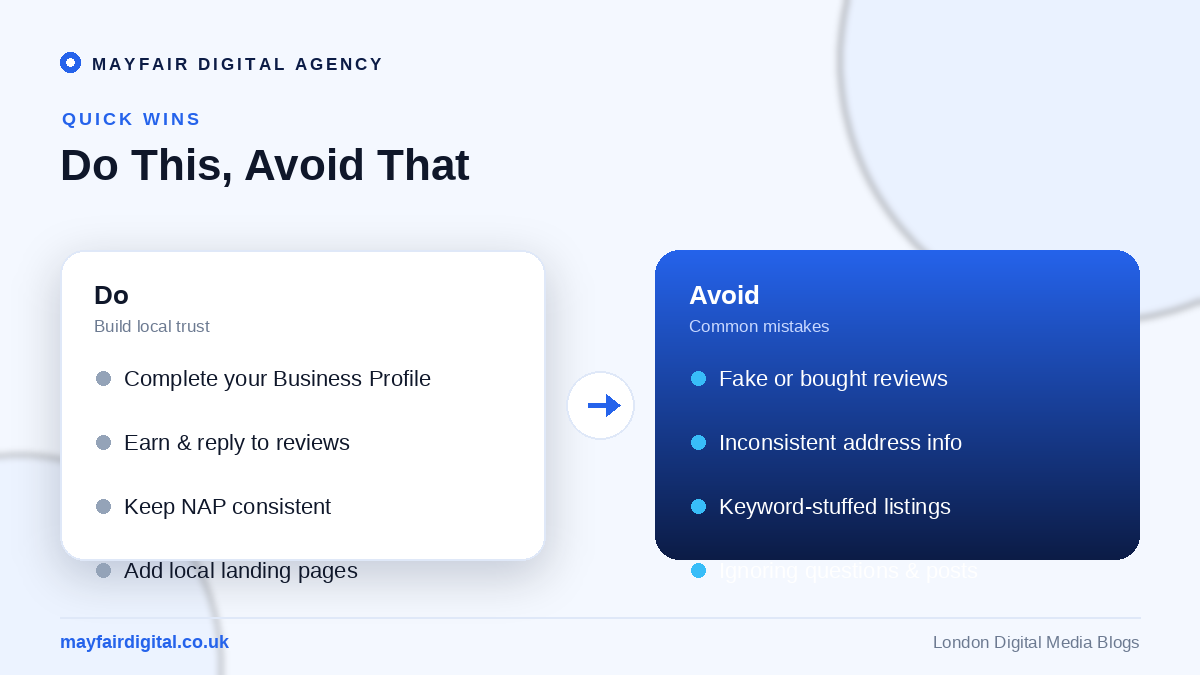
Content tailored to your area helps you rank for local searches and demonstrates your connection to the community. Create pages for the specific services and locations you serve, write about local events or topics relevant to your customers, and naturally include the place names and terms people in your area actually use. This local relevance signals to search engines that you are the right answer for nearby searchers, while giving real visitors useful, reassuring information.
Frequently Asked Questions
How long does local SEO take to work? Some improvements, such as optimising your Google Business Profile, can have an effect within weeks, while stronger rankings build over a few months of consistent effort. It is an ongoing process rather than a one-off task.
Is local SEO worth it for a very small business? Yes. Local SEO is one of the most cost-effective ways for small businesses to attract nearby, high-intent customers and compete with much larger rivals in their own area.
Do I need to pay for ads as well? Not necessarily. Local SEO drives free, organic visibility, though local ads can complement it for extra reach. Many small businesses succeed with strong local SEO alone.
Grow Your Local Presence With Mayfair
Local SEO turns nearby searches into real customers, and for small businesses it is one of the smartest investments available. As a full-service digital media agency, Mayfair Digital Agency helps local businesses optimise their listings, earn reviews and rank for the searches that bring customers to their door. If you want to dominate your local market, get in touch and let’s put your business on the map.
Make Sure Your Website Is Mobile-Friendly and Fast
The overwhelming majority of local searches happen on mobile phones, often while people are out and about looking for somewhere to go right now. If your website is slow to load or awkward to use on a small screen, you will lose those visitors no matter how well you rank. A fast, mobile-friendly site with clear contact details, an obvious phone number and an easy way to find your location is essential. Make it effortless for a local searcher to call you, get directions or book, and you will convert far more of the visibility your local SEO earns into genuine enquiries and sales.
Build Local Links and Community Connections
Links from other local websites act as powerful signals of relevance and trust. Sponsoring a community event, partnering with neighbouring businesses, joining the local chamber of commerce or earning a mention in a regional publication can all generate the kind of local backlinks that strengthen your rankings. Beyond the SEO value, these connections root your business in the community and raise your profile among exactly the people you want as customers. Local SEO and genuine community involvement reinforce one another, and the businesses that invest in both tend to dominate their area over time.
Track Your Results and Keep Improving
Local SEO is not a set-and-forget task; it rewards ongoing attention. Keep an eye on how you rank for your most important local searches, how many calls, direction requests and website clicks your Google profile generates, and where your enquiries are coming from. These insights show you what is working and where to focus next. By reviewing your performance regularly and steadily refining your listings, reviews and content, you keep your local presence growing rather than letting competitors quietly overtake you.
For a small business, the message is simple: your next customer is very likely searching for you locally right now. Investing in local SEO ensures they find you first, choose you with confidence, and come back again — turning your visibility in local search into a dependable, long-term engine for growth.
Need expert help? Mayfair Digital Agency is a digital agency in London and full-service digital agency in London offering global SEO agency and more. Get in touch for a free consultation.


