




The Role of Graphic Design in Building Brand Identity
Your brand identity is how the world recognises and remembers you, and few things shape it more powerfully than design. Graphic design is the visual language of your business — the logos, colours, typography and imagery that communicate who you are at a glance. Long before a customer reads a word about you, they have formed an impression based on how you look. That is why graphic design plays such a central role in building a brand identity that is consistent, memorable and trusted.
This guide explores how graphic design builds brand identity, the key elements involved, and why investing in professional design pays off. Whether you are creating a brand from scratch or refining an existing one, understanding design’s role will help you build an identity that stands out and lasts.
What Brand Identity Really Means
Brand identity is the collection of visual and emotional signals that define how your business is perceived. It is more than a logo; it is the complete look and feel that audiences associate with you, from your website and packaging to your social media and advertising. A strong identity makes a brand instantly recognisable and communicates its personality and values without a word being spoken.
Graphic design is the discipline that turns abstract brand values into tangible visuals. It translates ideas like trust, innovation or playfulness into colours, shapes and styles that audiences can see and feel. Done well, design ensures your brand looks the way you want to be understood.
First Impressions Are Visual
People judge brands in milliseconds, and that judgement is driven almost entirely by visual design. A polished, professional and cohesive look signals credibility and quality, while a sloppy or inconsistent appearance breeds doubt before a customer engages at all. Strong graphic design ensures those crucial first impressions work in your favour, building immediate trust and encouraging people to explore further.
The Key Elements of Brand Design
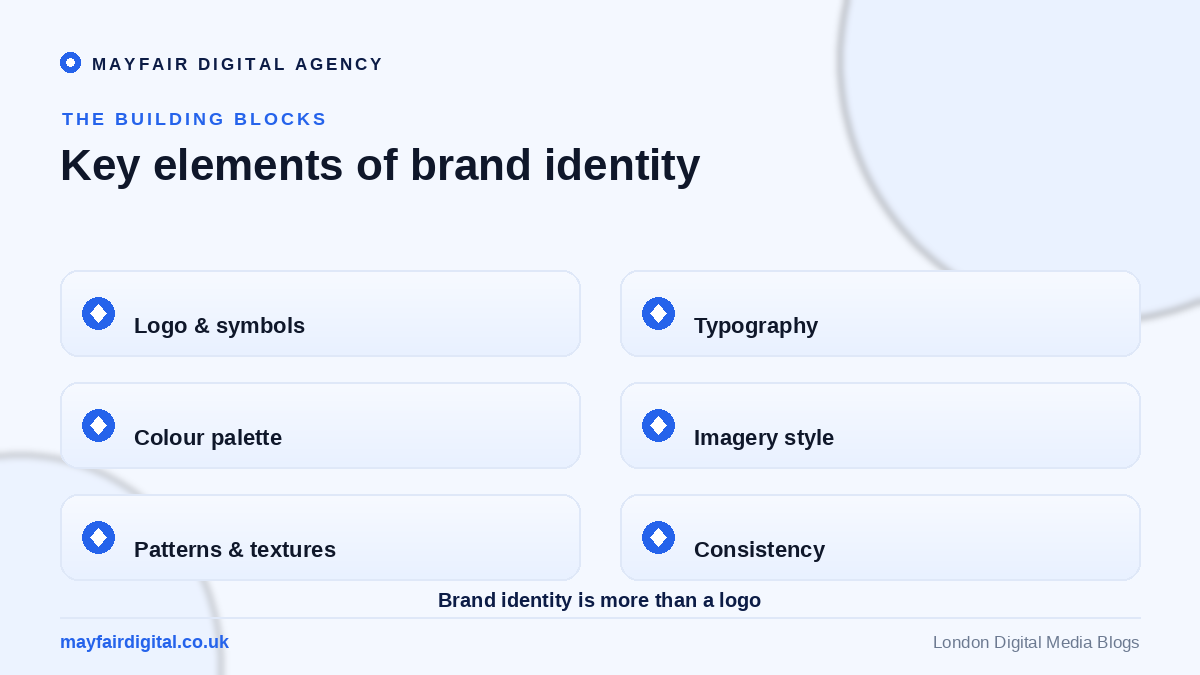
Several design elements work together to form a brand identity. The logo is the centrepiece, a memorable symbol of your business. A consistent colour palette evokes specific emotions and aids recognition, while typography sets the tone of your communication. Imagery style, iconography and layout conventions complete the picture, ensuring every asset feels part of the same family.
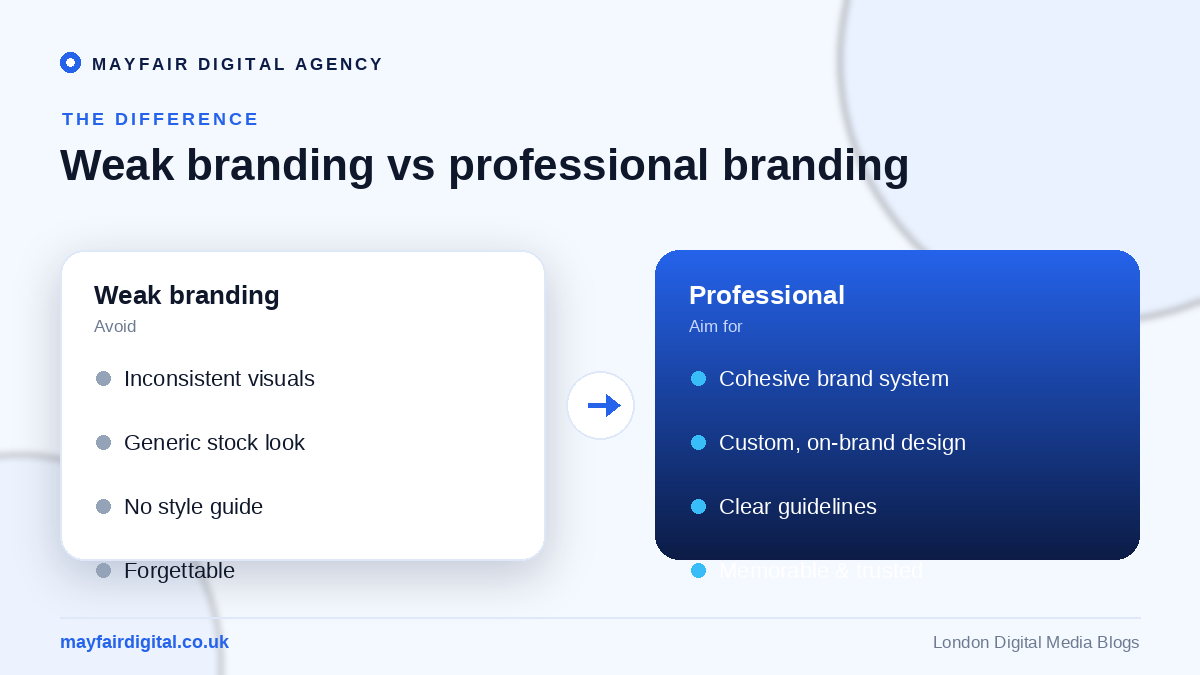
The magic lies in how these elements combine consistently. When colours, fonts and styles are applied uniformly across every touchpoint, they reinforce one another and build a coherent identity. This consistency is what makes a brand instantly recognisable, even when its name or logo is not visible.
Consistency Builds Recognition
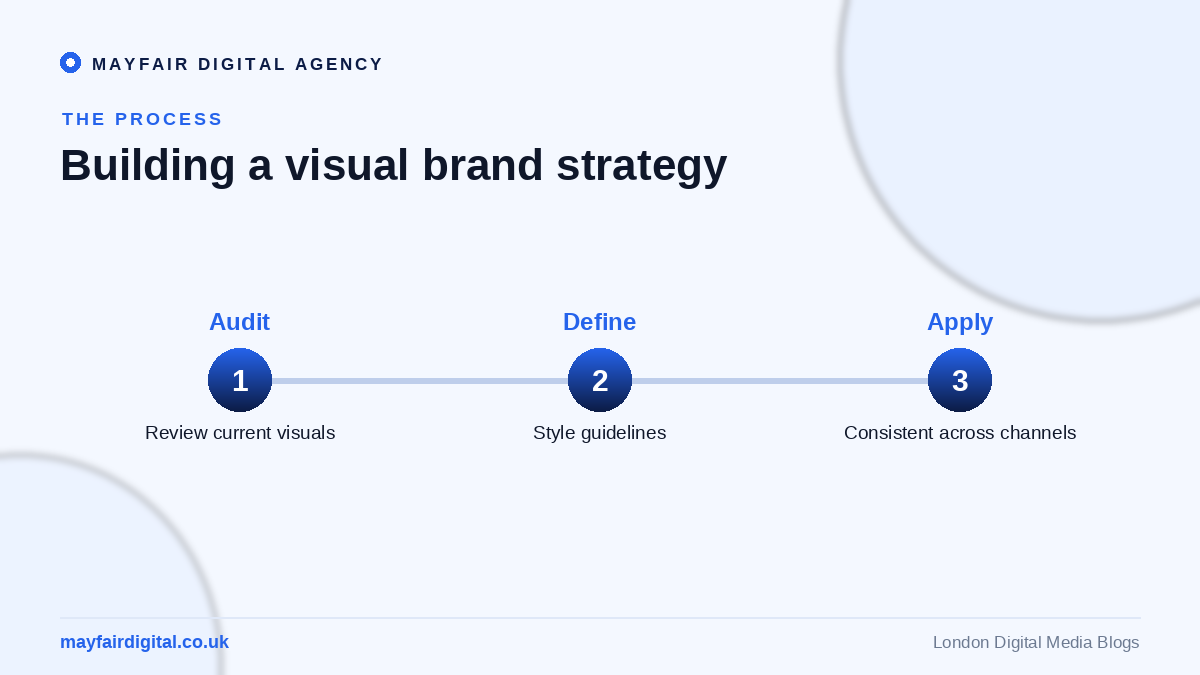
Recognition is built through repetition, and design consistency is what makes repetition effective. When every piece of communication shares the same visual language, each interaction reinforces the last, gradually embedding your brand in the audience’s memory. Over time this consistency becomes a genuine asset, making your brand familiar and trusted. A clear set of brand guidelines is the simplest way to protect this consistency as your business grows.
Design Communicates Personality and Values
Every design choice sends a message about who you are. A luxury brand uses elegant, minimal design to convey exclusivity, while a children’s brand might use bright colours and playful shapes. Through these choices, graphic design communicates your personality and values instantly, helping you attract the right audience and forge an emotional connection. Design, in this sense, is strategy made visible.
Frequently Asked Questions
Is graphic design really that important for branding? Yes. Design shapes first impressions, communicates your values and builds the recognition and trust that a strong brand identity depends on.
What makes a brand identity strong? Consistency and clarity. A strong identity applies cohesive design across every touchpoint and clearly communicates a distinct personality and set of values.
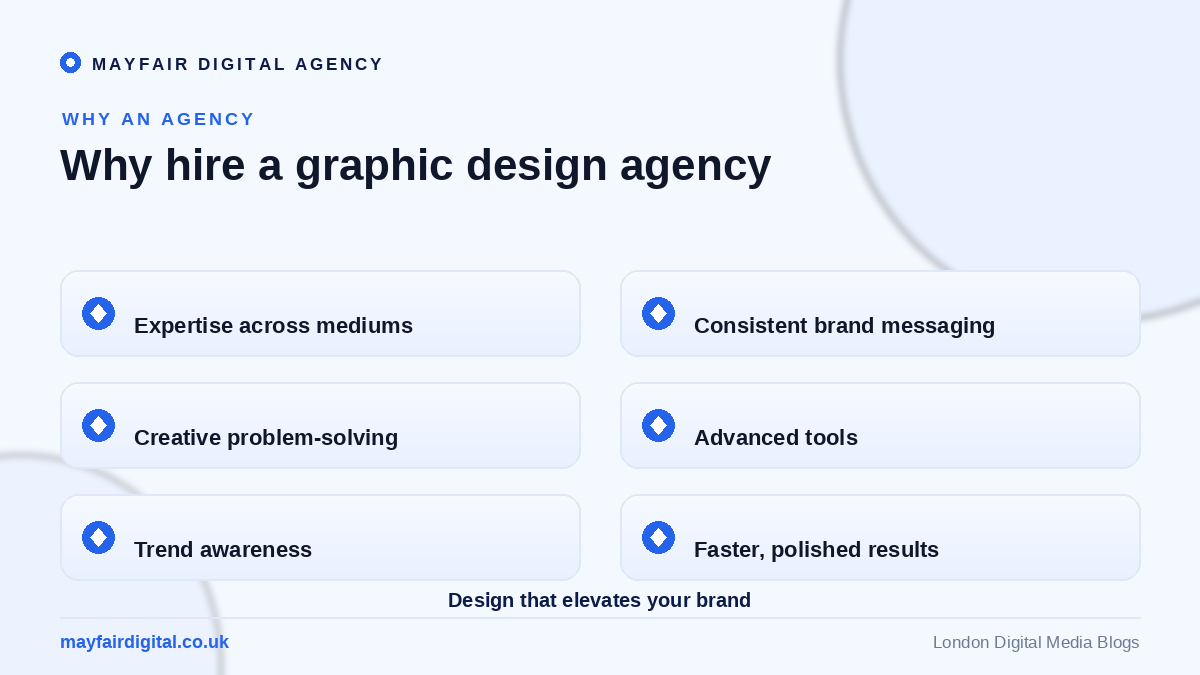
Do small businesses need professional design? Absolutely. Professional design helps small businesses appear credible and distinctive, often making the difference in whether customers trust and remember them.
Build a Standout Identity With Mayfair
Graphic design is the foundation of a brand identity that is recognisable, trusted and memorable. As a full-service digital media agency, Mayfair Digital Agency creates cohesive, strategic design that brings brands to life and sets them apart. If you want an identity that makes a lasting impression, get in touch and let’s design something your audience will never forget.
How Good Design Sets You Apart From Competitors
In crowded markets, distinctive graphic design is often what separates a brand that gets noticed from one that blends into the background. When competitors offer similar products at similar prices, a strong, memorable visual identity becomes a genuine competitive advantage. It gives customers an easy way to recognise and remember you, and it signals the care and professionalism behind your business. Thoughtful design helps you stake out a clear position in your audience’s mind, so that when they need what you offer, your brand is the one they recall first and trust most.
This differentiation is not about being the loudest or most elaborate; it is about being clear, consistent and authentic to who you are. A well-designed brand identity communicates confidence and intention, qualities that customers instinctively associate with quality and reliability.
Design Across Every Touchpoint
A brand identity is only as strong as its weakest touchpoint. Graphic design must extend consistently across everything a customer encounters — your website, social media profiles, packaging, business cards, email templates, advertisements and signage. Each of these is an opportunity to reinforce your identity or, if neglected, to undermine it. When design is applied thoughtfully everywhere, the cumulative effect is a brand that feels coherent, professional and trustworthy at every stage of the customer journey.
This is why systems matter more than one-off pieces. Rather than designing each asset in isolation, strong brands build a flexible design system — a defined set of colours, fonts, layouts and rules — that keeps everything aligned while still allowing creativity. This approach saves time, ensures consistency and makes it easy to produce new materials that always feel on-brand.
The Emotional Power of Design
Great design does more than look good; it makes people feel something. Colours, shapes and imagery can evoke trust, excitement, calm or aspiration, shaping how customers feel about your brand on a subconscious level. These emotional associations are powerful, because people make decisions with their feelings as much as their logic. By designing with emotion in mind, brands can forge deeper connections that go beyond the practical features of a product or service and build genuine loyalty.
This emotional resonance is what turns customers into fans. When a brand’s design consistently makes people feel understood and inspired, they come to identify with it, championing it to others and choosing it again and again even when alternatives exist.
Investing in Professional Design
While templates and do-it-yourself tools can help in the very early days, there comes a point where professional design becomes a worthwhile investment. Professionals bring not just technical skill but strategic thinking, ensuring your visual identity is built on a clear understanding of your audience, your market and your goals. They create cohesive systems rather than disconnected pieces, and they help your brand look credible and distinctive from day one.
Viewed correctly, design is not a cost but an investment that pays dividends through stronger recognition, greater trust and higher perceived value. A brand that looks the part can often command better prices and win customers more easily than one that appears amateurish, making professional design one of the highest-return investments a growing business can make.
Bringing Your Brand Identity to Life
Building a strong brand identity through graphic design is a journey of clarity and consistency. It starts with understanding who you are and who you serve, then expressing that through deliberate visual choices applied faithfully across every touchpoint. Over time, this disciplined approach builds the recognition, trust and emotional connection that define truly memorable brands. With the right design partner guiding the way, any business can develop an identity that not only looks impressive but works hard to attract, reassure and retain customers.
Need expert help? Mayfair Digital Agency is a London digital agency and full-service digital agency in London offering graphic design agency in London and more. Get in touch for a free consultation.


