




Navigating the Complexities of Paid Social Media Strategies
Paid social media looks simple from the outside — set a budget, choose an audience, press go. In reality, building paid social media strategies that consistently deliver a return is one of the more complex disciplines in digital marketing. Platforms change their rules constantly, audiences grow fatigued, costs fluctuate, and a campaign that worked last month can quietly stop performing. Navigating this complexity is what separates businesses that waste money on ads from those that turn paid social into a reliable engine for growth.
This guide demystifies the moving parts of paid social, from objectives and targeting to creative, budgeting and measurement. Whether you are running your first campaign or trying to fix one that has stalled, understanding these fundamentals will help you spend smarter and achieve far more with the same budget.
Start With Clear Objectives
The single biggest cause of wasted ad spend is launching campaigns without a clear objective. Paid social can serve very different goals — building awareness, generating leads, driving sales or re-engaging past visitors — and each requires a different setup, audience and measure of success. Defining precisely what you want to achieve before you spend a penny ensures the platform optimises toward the right outcome and gives you a meaningful way to judge results.
Objectives also shape how you interpret performance. A brand-awareness campaign should not be judged on immediate sales, just as a conversion campaign should not be celebrated for cheap impressions. Matching your expectations to your objective keeps you from drawing the wrong conclusions and abandoning campaigns that are actually working as intended.
Understand Audience Targeting
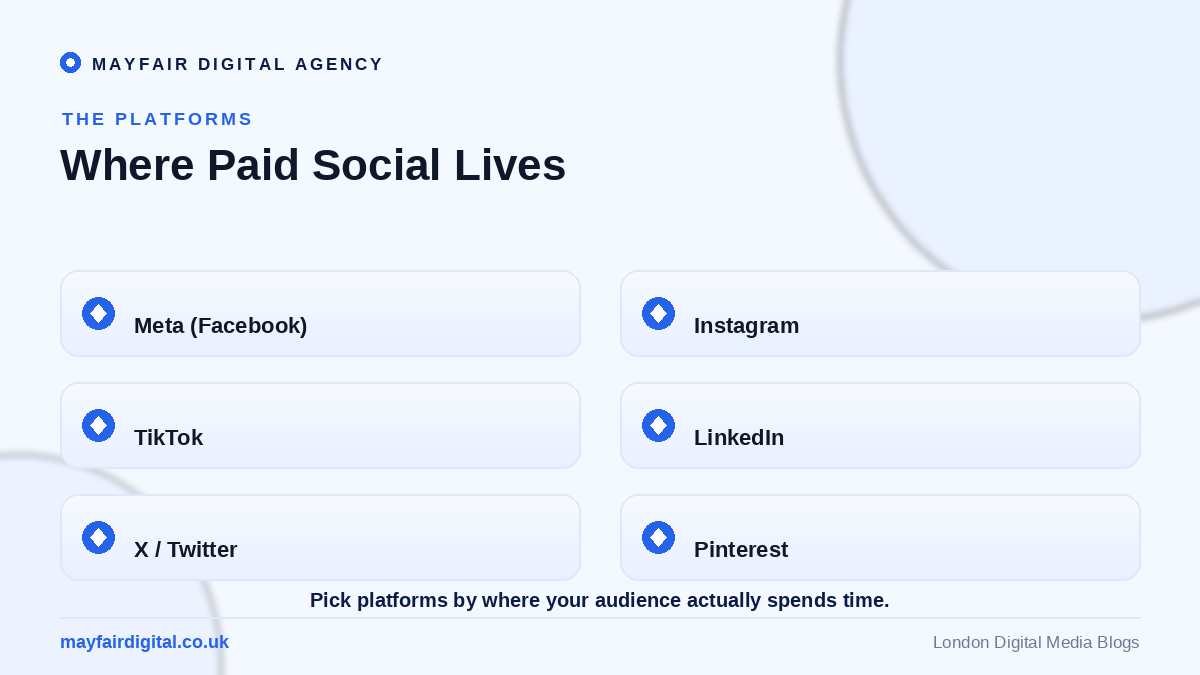
Targeting is where paid social earns its reputation for power and complexity. The platforms allow you to reach people based on demographics, interests, behaviours and, crucially, their relationship with your business. Custom audiences let you reach existing contacts and website visitors, while lookalike audiences help you find new people who resemble your best customers. Choosing the right audience for each objective is fundamental to efficient spending.
As privacy changes reduce the precision of interest-based targeting, first-party data and broad, well-optimised audiences are becoming more important. Feeding the platforms strong signals about who converts, and trusting their algorithms with sensible flexibility, increasingly outperforms hyper-narrow manual targeting. Adapting to this shift is a key part of modern paid social strategy.
Creative Is the Real Variable
On today’s platforms, creative — the images, videos and copy in your ads — is the biggest lever you control. Even perfect targeting fails if the creative does not stop the scroll and communicate value quickly. Strong paid social creative grabs attention in the first second, speaks directly to a specific audience’s needs, and includes a clear call to action. Native-feeling content that suits the platform almost always beats obviously polished advertising.
Because audiences tire of seeing the same ads, refreshing creative regularly is essential to combat fatigue and keep costs down. The most successful advertisers treat creative as an ongoing testing programme, continually trying new hooks, formats and angles to discover what resonates and then scaling the winners. This relentless iteration is where much of the real performance gain lives.
Budgeting and Bidding Wisely
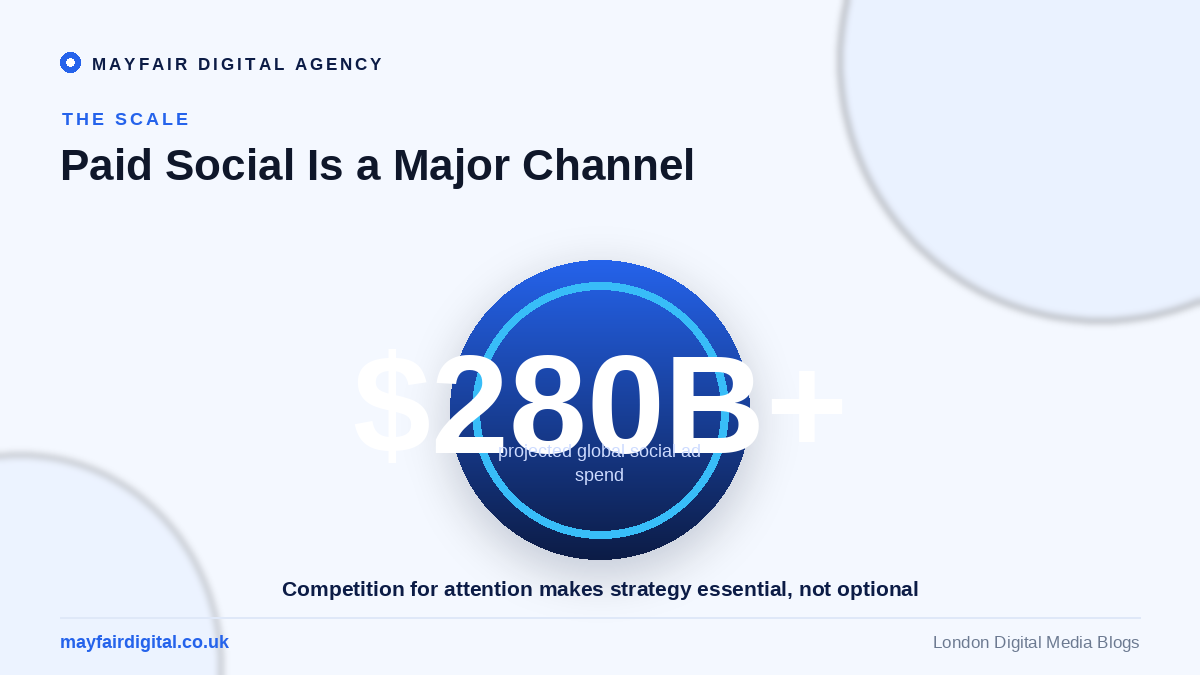
Knowing how to allocate and manage budget is another layer of complexity. Rather than spreading money thinly across everything, successful advertisers concentrate spend on the audiences and creatives that prove themselves, scaling gradually to avoid disrupting the platform’s learning. Starting with a sensible test budget, gathering data, and then investing more in what works is far wiser than betting everything up front.
Patience matters here too. Platforms need time and data to optimise, so constantly tweaking campaigns or pulling them too early prevents them from ever stabilising. Giving campaigns room to learn, while watching the right metrics, leads to steadier and more profitable results over time.
Measurement and Attribution
Measuring paid social accurately has grown harder as privacy changes disrupt tracking, but it remains essential. Proper conversion tracking, combined with a clear-eyed view of the metrics that matter — cost per result, return on ad spend and the quality of leads or sales — tells you whether your money is well spent. Vanity metrics like reach and likes can be misleading if they are not tied to genuine business outcomes.
A sensible approach blends platform data with your own business results, accepting that attribution will never be perfect. By focusing on overall trends in revenue and cost rather than obsessing over every click, you can make confident decisions even in an imperfect measurement landscape.
Common Paid Social Mistakes
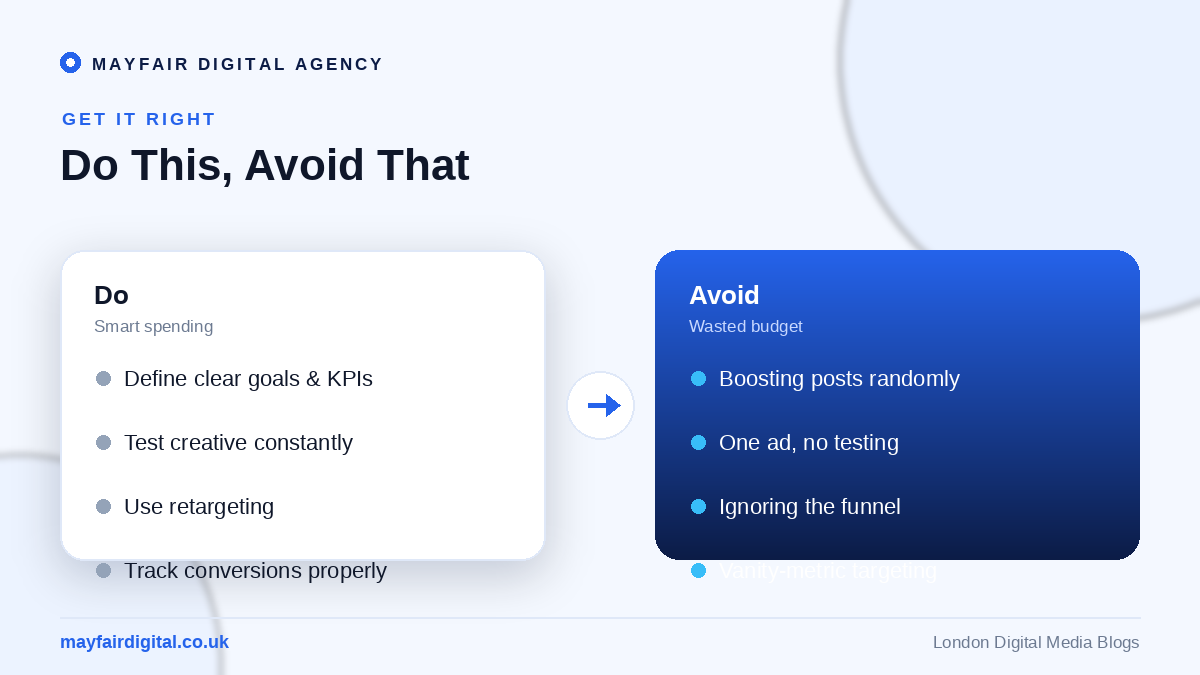
Most paid social failures come down to a handful of avoidable errors: unclear objectives, weak or stale creative, audiences that are too narrow or too broad, impatience during the learning phase, and a failure to measure real outcomes. Recognising these pitfalls is half the battle. The advertisers who succeed are usually not the ones with the biggest budgets but the ones who avoid these mistakes and improve methodically.
Frequently Asked Questions
How much should I budget for paid social? Start with an amount you can afford to test for a few weeks, gather data, then scale spend behind what works. Consistency and learning matter more than a large initial budget.
Why did my paid social ads stop working? The most common cause is creative fatigue — audiences have seen your ads too often. Refreshing your creative regularly is the usual fix, alongside reviewing targeting and objectives.
Is paid social worth it for small businesses? Yes, when done strategically. Paid social offers precise targeting and measurable results, letting small businesses compete efficiently if they focus on clear goals and strong creative.
Master Paid Social With Mayfair
Paid social media is powerful but genuinely complex, and navigating it well takes strategy, strong creative and disciplined measurement. As a full-service digital media agency, Mayfair Digital Agency plans and manages paid social campaigns that cut through the noise and deliver a real return on your investment. If you want your ad budget to work harder, get in touch and let’s build a paid social strategy that performs.
Retargeting: The Quiet Workhorse of Paid Social
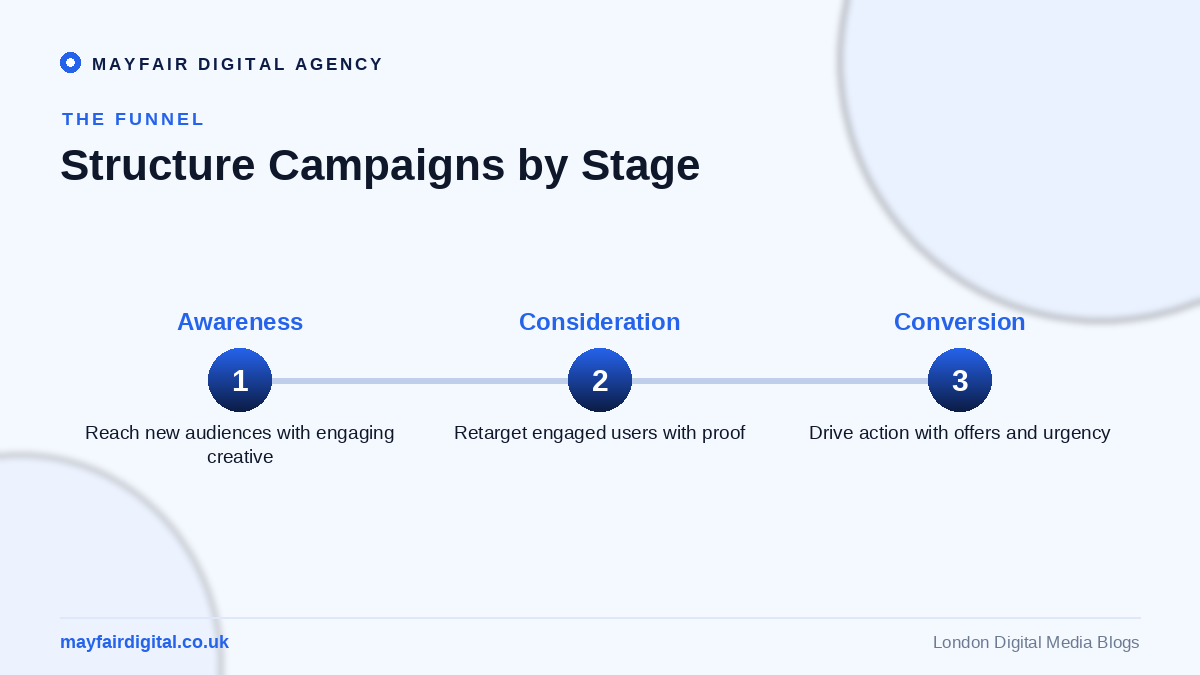
Some of the most efficient paid social spending happens not on finding new people but on re-engaging those who already know you. Retargeting shows tailored ads to people who have visited your website, watched your videos or engaged with your profile, reaching them when they are already warm and far more likely to convert. Because these audiences are familiar with your brand, retargeting campaigns typically deliver a stronger return than cold prospecting, making them a cornerstone of any well-rounded paid social strategy. Used thoughtfully and without overwhelming people, retargeting quietly recovers sales that would otherwise slip away.
Aligning Paid Social With Your Wider Marketing
Paid social rarely performs at its best in isolation. It works hardest when integrated with the rest of your marketing — sending traffic to well-optimised landing pages, supported by email follow-up, and reinforcing the same message your organic content and other channels convey. This joined-up approach means each pound of ad spend benefits from everything else you are doing, multiplying its impact. When paid social, organic social, content and email all pull in the same direction, the whole becomes far more powerful than any single channel could be alone.
Testing Your Way to Better Results
The advertisers who win at paid social treat it as a continuous experiment. They test different audiences, creatives, headlines and offers against one another, learn from the data, and pour budget into the combinations that prove most profitable. This disciplined testing removes guesswork and steadily compounds performance, turning an unpredictable channel into a dependable one. Rather than searching for a single perfect campaign, they build a process of constant improvement that keeps their results climbing even as platforms and audiences change.
Ultimately, navigating the complexities of paid social is about combining clear strategy with patient, evidence-led execution. The platforms reward those who set sharp objectives, create scroll-stopping content, respect the learning process and measure what genuinely matters. Master those fundamentals and paid social stops being a gamble and becomes one of the most controllable, scalable growth channels available to your business.
Need expert help? Mayfair Digital Agency is a London marketing agency and full-service digital agency in London offering social media agency in London and more. Get in touch for a free consultation.


