




Navigating the Complex Intersection of Technology and Democracy
Few relationships are as consequential — or as complicated — as the one between technology and democracy. Digital tools have transformed how citizens learn, debate and participate in public life, bringing remarkable opportunities alongside genuine challenges. Navigating this complex intersection thoughtfully matters to everyone, from individuals and businesses to institutions and platforms. This article explores how technology shapes democratic life, the tensions it creates, and the principles that can help societies harness its benefits while managing its risks.
Our aim here is to map the landscape evenhandedly rather than to advocate any single viewpoint. The intersection of technology and democracy raises legitimate questions on which reasonable people disagree, and understanding the different perspectives is the first step toward navigating it wisely.
How Technology Has Transformed Democratic Life
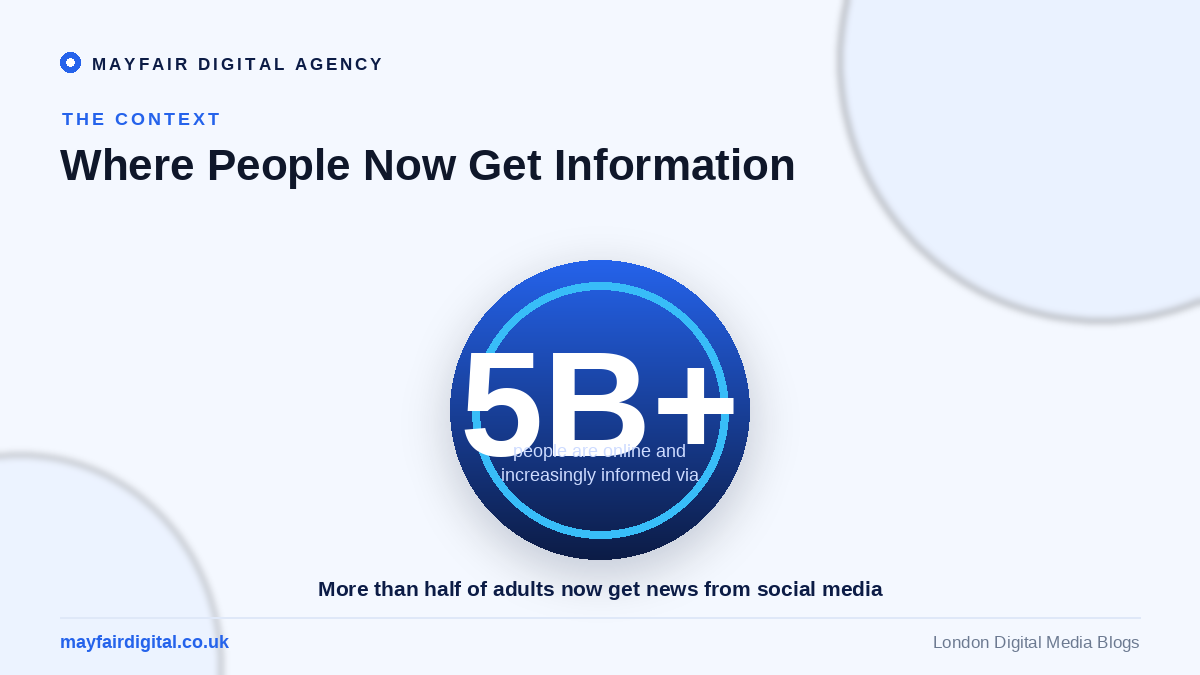
Digital technology has dramatically expanded access to information and the ability to participate in public conversation. Citizens can now research issues, follow events in real time, organise around shared causes and reach audiences that were once the preserve of established media. In many ways, this represents a genuine democratisation of voice, giving more people the means to be heard than at any point in history.
At the same time, technology has changed how information flows. Algorithms curate what people see, social platforms host much of public debate, and the speed of communication has accelerated enormously. These shifts bring both opportunity and complexity, reshaping the environment in which democratic decisions are made.
The Opportunities Technology Brings
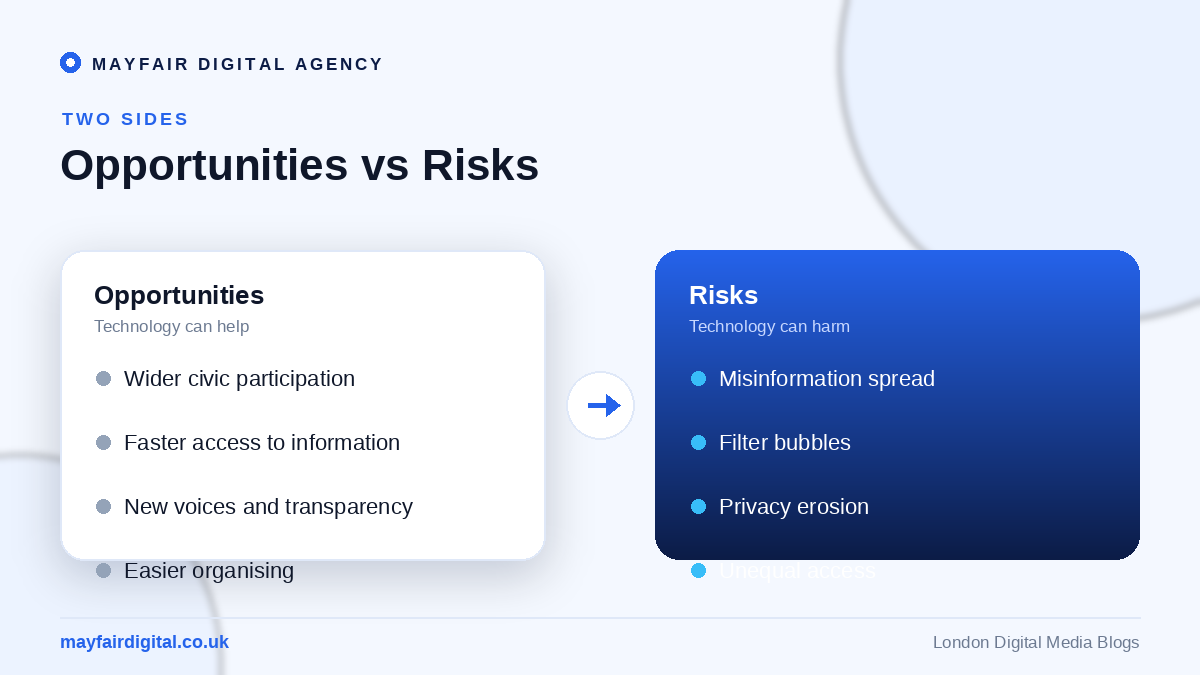
On the positive side, technology can strengthen democratic engagement in meaningful ways. It lowers barriers to information, enables grassroots organising, and gives marginalised voices new platforms. Governments can use digital tools to improve transparency and deliver services more efficiently, while citizens can hold institutions to account more easily when information is accessible and shareable.
These benefits are real and significant. When used well, technology can make democratic participation more inclusive, informed and responsive, connecting people to the issues and decisions that affect their lives in ways that were previously impossible.
The Challenges and Tensions
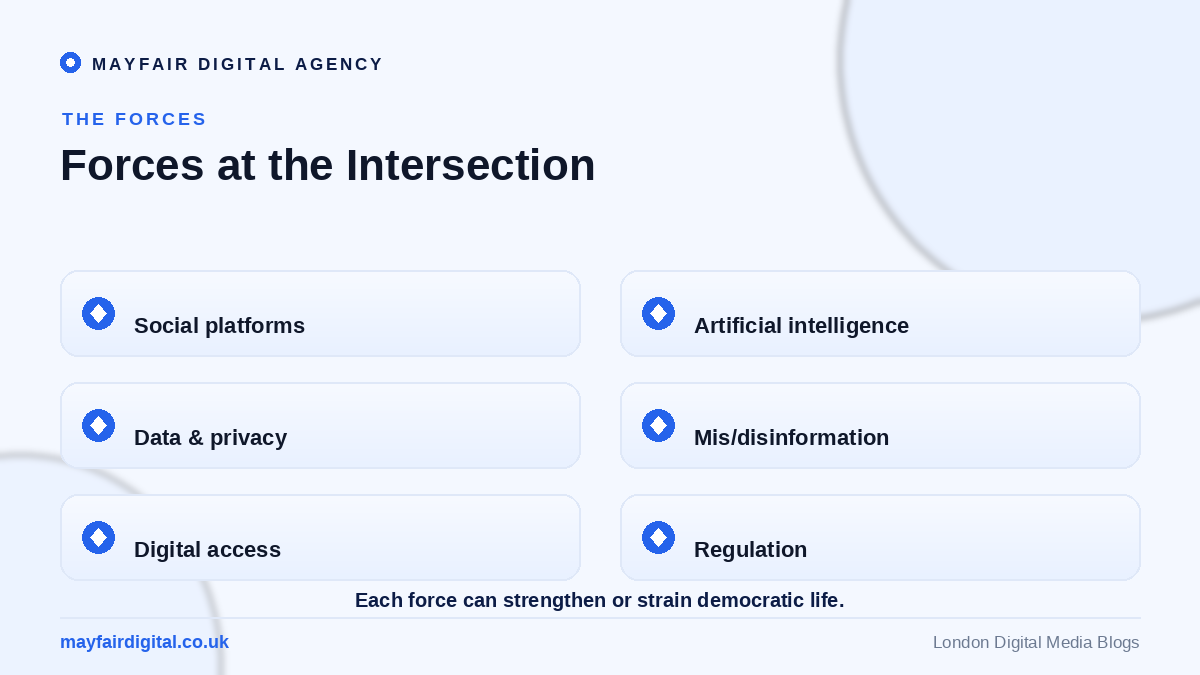
Alongside these opportunities come serious challenges that societies are still learning to manage. The same tools that spread reliable information can spread misinformation; the same platforms that enable debate can amplify division. Concerns about privacy, data use, the concentration of power among a few large platforms, and the effects of algorithmic curation on public discourse are all subjects of ongoing, legitimate debate.
There is no consensus on how best to address these tensions. Some emphasise the importance of free expression and worry about over-regulation, while others stress the need for greater accountability and safeguards. Navigating this intersection well means taking these competing concerns seriously rather than dismissing any of them.
The Role of Digital Literacy
One area of broad agreement is the value of digital literacy. As citizens spend more of their civic lives online, the ability to evaluate sources critically, recognise manipulation and engage constructively becomes essential. Equipping people with these skills helps them navigate the digital information environment thoughtfully, making them more resilient to misinformation and better able to participate meaningfully.
Digital literacy is not a complete solution, but it is a foundation. An informed, discerning public is better placed to enjoy the benefits of digital tools while guarding against their pitfalls, whatever wider policies and platform decisions are made.
Frequently Asked Questions
Is technology good or bad for democracy? It is both, depending on how it is used. Technology brings real opportunities for participation and transparency alongside genuine challenges, which is why thoughtful navigation matters.
What is the biggest challenge at this intersection? There is no single answer, but misinformation, privacy, platform power and the effects of algorithms on public debate are among the most widely discussed concerns.
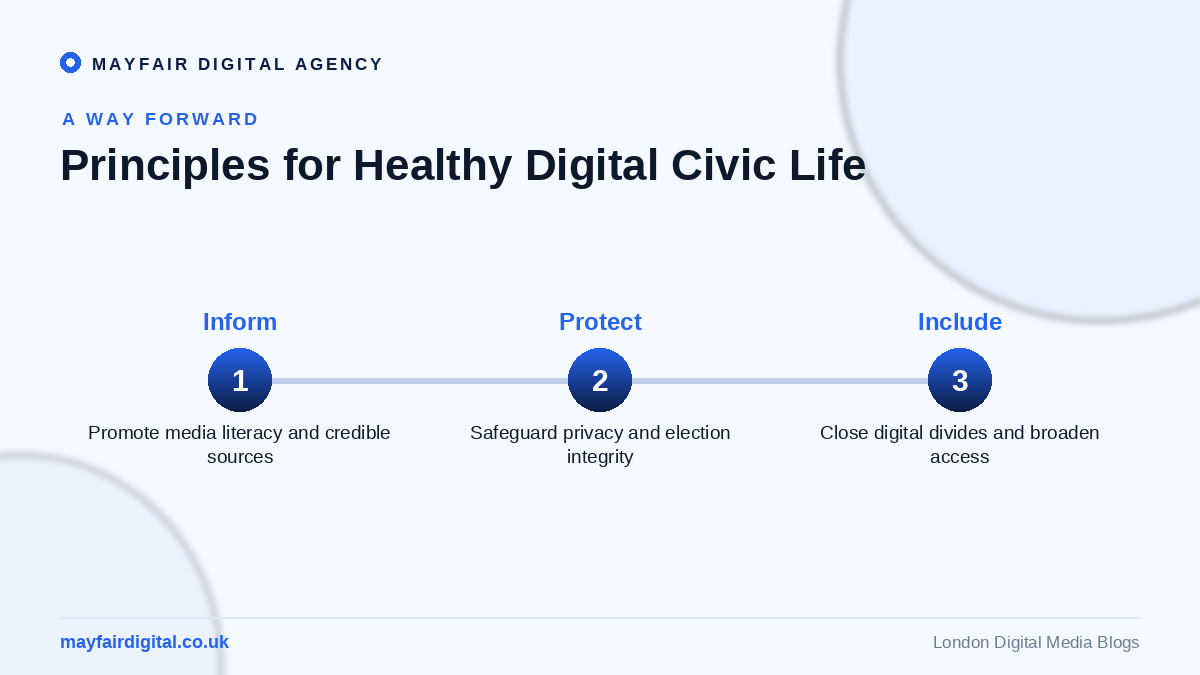
How can individuals navigate this intersection? Developing strong digital literacy — critically evaluating sources, recognising manipulation and engaging constructively — is one of the most practical and widely supported steps.
Engaging Thoughtfully in a Digital Age
The intersection of technology and democracy will continue to evolve, and navigating it wisely requires ongoing attention, openness and balance. As a digital media agency, Mayfair Digital Agency believes in using digital tools responsibly and transparently, helping businesses communicate honestly in an increasingly complex online world. If you want to navigate the digital landscape thoughtfully and effectively, get in touch and let’s talk.
The Debate Over Platform Responsibility
One of the most discussed aspects of this intersection is the role and responsibility of the large technology platforms that host so much public conversation. Because these platforms shape what billions of people see and share, questions naturally arise about how they moderate content, design their algorithms and balance free expression with the reduction of harm. People hold a wide range of sincere views here: some prioritise minimal interference and the protection of open speech, while others call for greater transparency and accountability in how platforms operate.
There is no easy resolution, and most thoughtful observers acknowledge genuine trade-offs on each side. Navigating the issue well means resisting simplistic answers and recognising that decisions about platform governance involve balancing competing values that a healthy democracy must weigh carefully and continually.
Privacy and Data in Public Life
The collection and use of personal data sit at the heart of many debates about technology and democracy. Data can be used to inform services, tailor communication and understand public needs, but it also raises legitimate concerns about surveillance, consent and the potential for manipulation. Striking the right balance between the benefits of data and the protection of privacy is an ongoing challenge for societies, businesses and individuals alike.
For organisations operating online, this underscores the importance of handling data responsibly and transparently. Respecting people’s privacy and being clear about how information is used builds the trust on which both healthy commerce and healthy public discourse depend.
Technology as a Tool for Civic Engagement
Beyond the challenges, it is worth remembering how powerfully technology can support positive civic engagement. Digital tools help communities organise around local issues, enable charities and campaigns to reach supporters, and make it easier for people to access information about decisions that affect them. When used constructively, these capabilities can strengthen the fabric of civic life and bring people together around shared goals.
Many organisations use digital platforms to inform, educate and mobilise in entirely constructive ways. These examples are a useful reminder that technology is a tool whose impact depends largely on the intentions and care of those who wield it.
Principles for Navigating the Intersection
While there are no simple solutions, a few principles can help navigate this complex terrain. Valuing transparency, fostering digital literacy, respecting privacy, encouraging good-faith debate and remaining open to evidence all contribute to a healthier relationship between technology and democratic life. These principles do not resolve every tension, but they provide a constructive foundation for individuals, businesses and institutions seeking to act responsibly.
Importantly, navigating this intersection is a shared responsibility. Platforms, policymakers, businesses and citizens all play a part, and progress tends to come from dialogue and good-faith engagement rather than from any single actor imposing a definitive answer.
Looking Ahead
As technology continues to advance, its relationship with democratic life will keep evolving, bringing new opportunities and new questions. Emerging tools, from artificial intelligence to new communication platforms, will add further complexity, making ongoing reflection and adaptability essential. The goal is not to fear technology nor to embrace it uncritically, but to engage with it thoughtfully, maximising its benefits while remaining alert to its risks.
Approached with openness, balance and care, the intersection of technology and democracy can be navigated in ways that strengthen rather than undermine public life. For businesses and individuals alike, that means using digital tools responsibly, communicating honestly, and contributing constructively to the shared online spaces that increasingly shape how we live and decide together.
Need expert help? Mayfair Digital Agency is a digital agency in London and full-service digital agency in London offering digital strategy agency and more. Get in touch for a free consultation.


